Leave Your Message
Pioneering agricultural productivity with advanced diesel-powered engineering built for the toughest field conditions.
The global agricultural sector is undergoing a massive transformation, driven by the dual pressures of population growth and climate variability. To ensure food security, modern farming relies heavily on high-performance wheat harvesting equipment designed specifically for diesel-powered farm work. Wheat, being one of the staple crops globally, requires highly synchronized, robust, and continuous harvesting mechanisms. Diesel-powered machinery remains the undisputed backbone of this cycle, providing the high torque, mechanical durability, and thermal efficiency necessary to run large-scale operations without interruption.
Industry Insight: Why Diesel Power Dominates? Unlike alternative energy sources, diesel fuel offers unmatched energy density and engine longevity, making it indispensable for heavy agricultural operations. From self-propelled combine harvesters to high-horsepower tractors, diesel engines supply the continuous power required to handle thick crop yields under challenging soil and weather conditions.
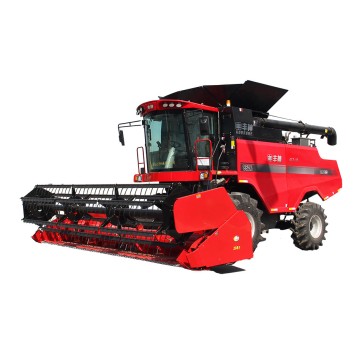
Commercially, the demand for wheat harvesting equipment is shifting toward high-capacity, multi-crop machines. Farmers and agricultural cooperatives are looking to maximize their return on investment (ROI) by choosing machines that can harvest not just wheat, but also soybeans, rice, and corn. This multi-crop flexibility is a key driver of the global combine harvester market. Modern manufacturing facilities, such as Shandong Golddafeng Machinery Co., Ltd., are responding by producing self-propelled harvesters equipped with adaptive headers and advanced threshing systems that minimize grain damage and loss.
From an industrial perspective, the supply chain for agricultural machinery is increasingly utilizing advanced production techniques. The integration of CNC laser cutting, robotic welding, and automated assembly lines has significantly improved the structural integrity of harvesting equipment. This ensures that the machinery can withstand the harsh vibrations and mechanical stresses encountered during field operations. Furthermore, the global export market for these machines is expanding rapidly, with emerging economies in Eastern Europe, Central Asia, South America, and Africa upgrading from manual or semi-mechanized harvesting to fully mechanized, diesel-powered combine operations.
Wheat harvesting is not a one-size-fits-all operation. Different geographic regions and soil conditions present unique challenges that only specialized diesel-powered machinery can overcome.
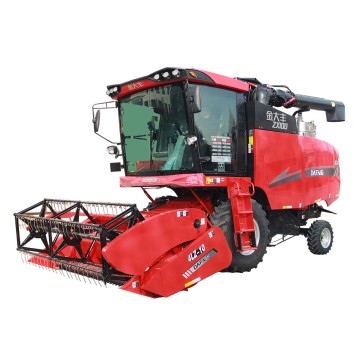
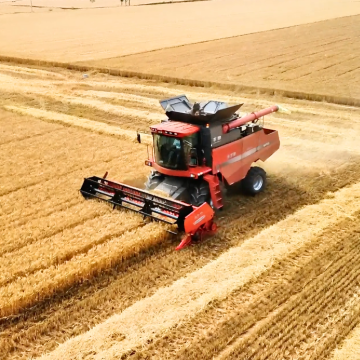
In massive grain-producing regions, such as the plains of North America, Northern China, and Ukraine, efficiency is measured in hectares per hour. Here, self-propelled combine harvesters like the 4LZ-10A operate continuously for days. The high torque of diesel engines allows these massive machines to cut, thresh, clean, and store wheat at high speeds. The integration of large grain tanks reduces the frequency of unloading stops, while heavy-duty diesel tractors run alongside to receive the grain, ensuring a seamless, non-stop harvesting workflow.
In regions where wheat is grown in rotation with rice (common in South and East Asia), the harvesting ground can be extremely soft, muddy, and uneven. Standard wheeled machinery often gets bogged down. To address this, manufacturers design diesel harvesters with crawler tracks or advanced 4x4 wheel-drive systems. The high low-end torque of diesel engines is critical here, providing the necessary pulling power to navigate through thick mud without stalling, ensuring that the crop is harvested before the seasonal rains arrive.
Modern farming practices often involve intercropping or rapid rotation between wheat, soybeans, and rice. A versatile diesel harvester must adapt quickly to these different crop profiles. With adjustable cylinder speeds, configurable sieves, and interchangeable headers, a single diesel-powered combine can transition from harvesting delicate wheat grains to tougher soybean pods within hours. This versatility optimizes machinery utilization and slashes capital expenditure for medium-sized farming businesses.
The future of wheat harvesting equipment lies in the convergence of raw diesel power and intelligent digital technologies. The industry is rapidly adopting smart agriculture (Smart Ag) features to optimize harvesting efficiency and reduce human error:
Efficient farm work requires a holistic approach to the agricultural calendar. The harvesting of wheat is immediately followed by soil preparation and seeding for the next crop cycle. This requires a synchronized fleet of diesel-powered machinery:
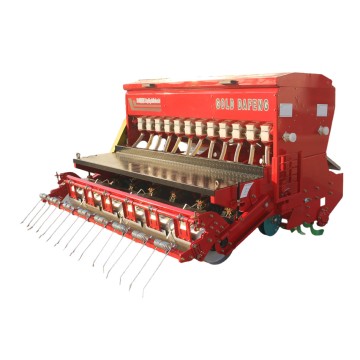
Once the wheat harvester completes its run, the field is left with crop residue. Heavy-duty diesel tractors (ranging from 80 HP to 150 HP 4x4 models) are deployed to pull rotary tillers and fertilizing seeders. These machines chop the stubble, mix it back into the soil to enrich organic matter, apply fertilizer, and plant the new seeds (such as soybeans or winter wheat) in a single pass. This minimizes soil compaction, conserves soil moisture, and drastically reduces the time between harvest and planting.
Because all these operations rely on diesel power, fuel logistics are simplified. A single fuel depot on the farm can supply the entire fleet—combines, tractors, and seeders. This unified energy source reduces operational complexity and allows farms to purchase fuel in bulk, lowering overall production costs.
To maximize the lifespan of wheat harvesting equipment, strict maintenance protocols must be followed, especially given the dusty environments of wheat fields:
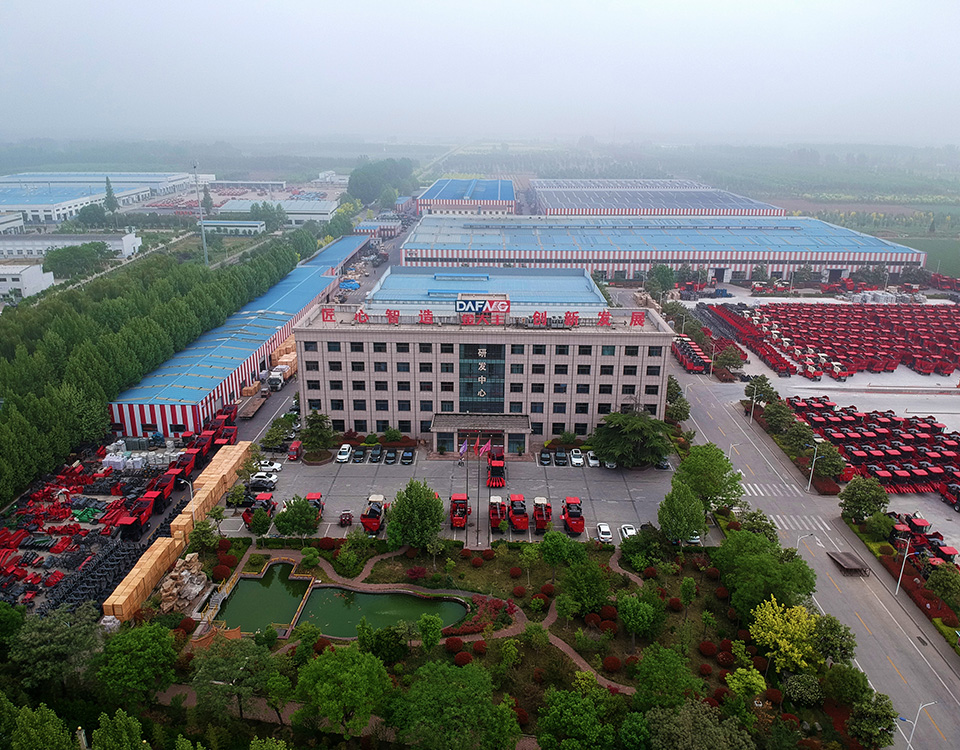
Established in 1995, Shandong Golddafeng Machinery Co., Ltd. is a professional manufacturer specializing in the development, production, sales, and service of rice combine harvesters, grain combine harvesters, corn combine harvesters, silage combine harvesters, peanut combine harvesters, tractors, rice transplanters, precision seeders, and rotary tillers.
Located in Jining City, Shandong Province, China, we are committed to strict quality control and attentive customer service. Our experienced staff are always ready to meet customer needs and ensure complete customer satisfaction through advanced technology and reliable manufacturing processes.
Our strength lies in numbers. We combine scale, talent, and patented technologies to deliver industry-leading agricultural machinery worldwide.
Our company features advanced CNC laser cutting machines, plasma CNC cutting machines, 3D robot cutting machines, fully automatic flat lines, welding robots, electrophoresis and baking equipment, flexible assembly lines, and a series of advanced equipment, supported by 200 sets of testing equipment such as 3D coordinate measuring instruments, dynamic balance meters, ultrasonic flaw detectors, and physical/chemical laboratories.
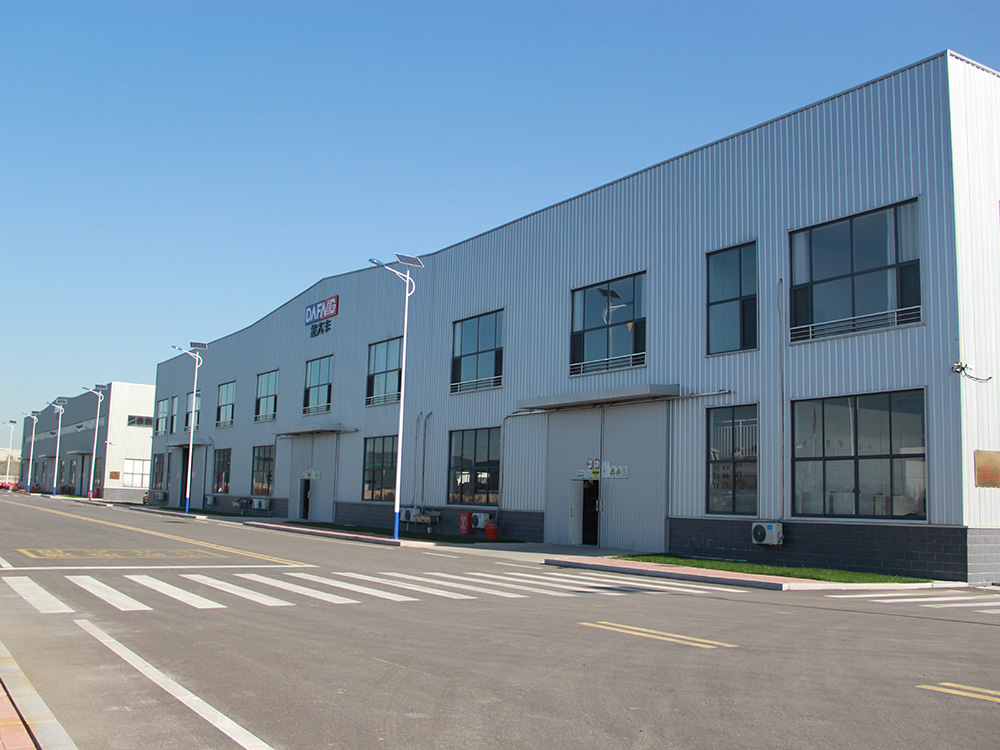
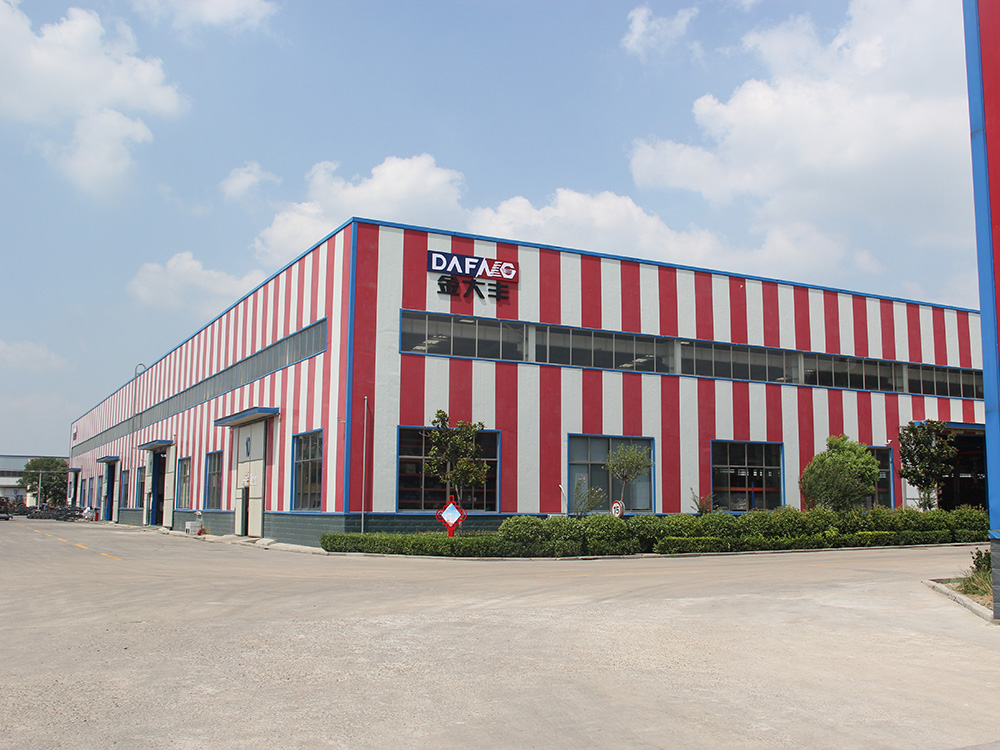
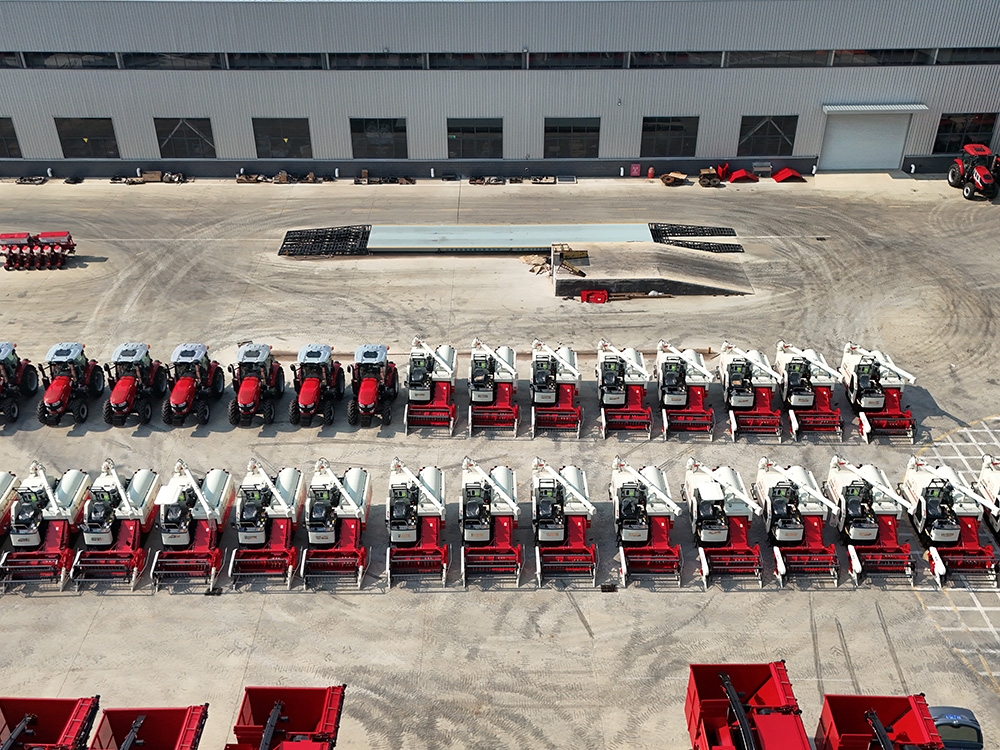
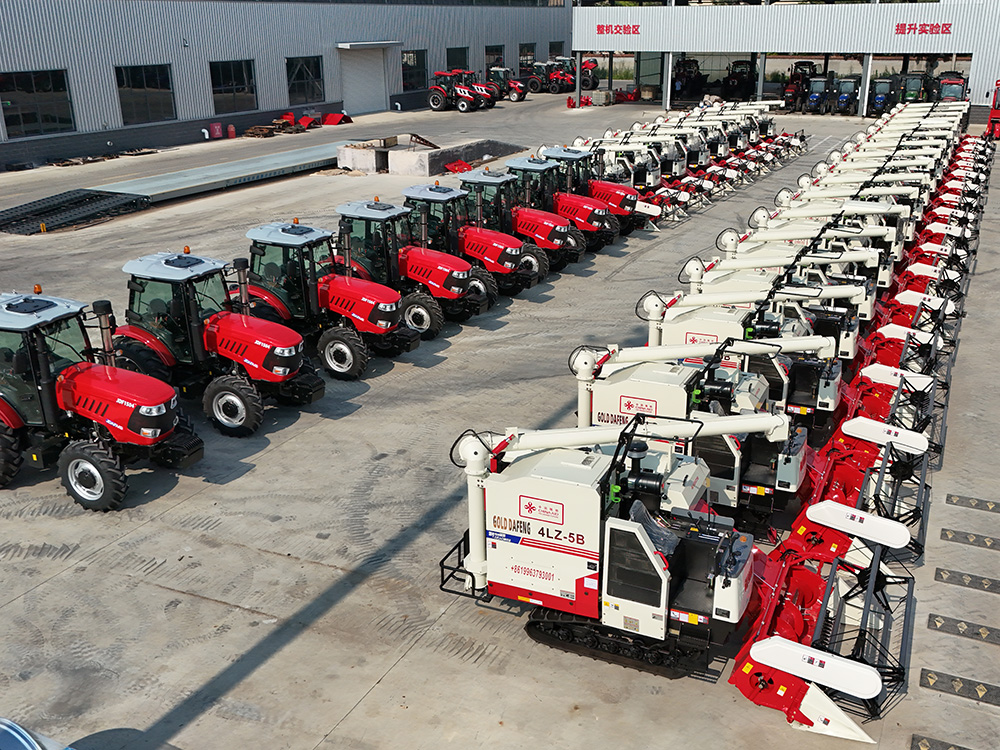
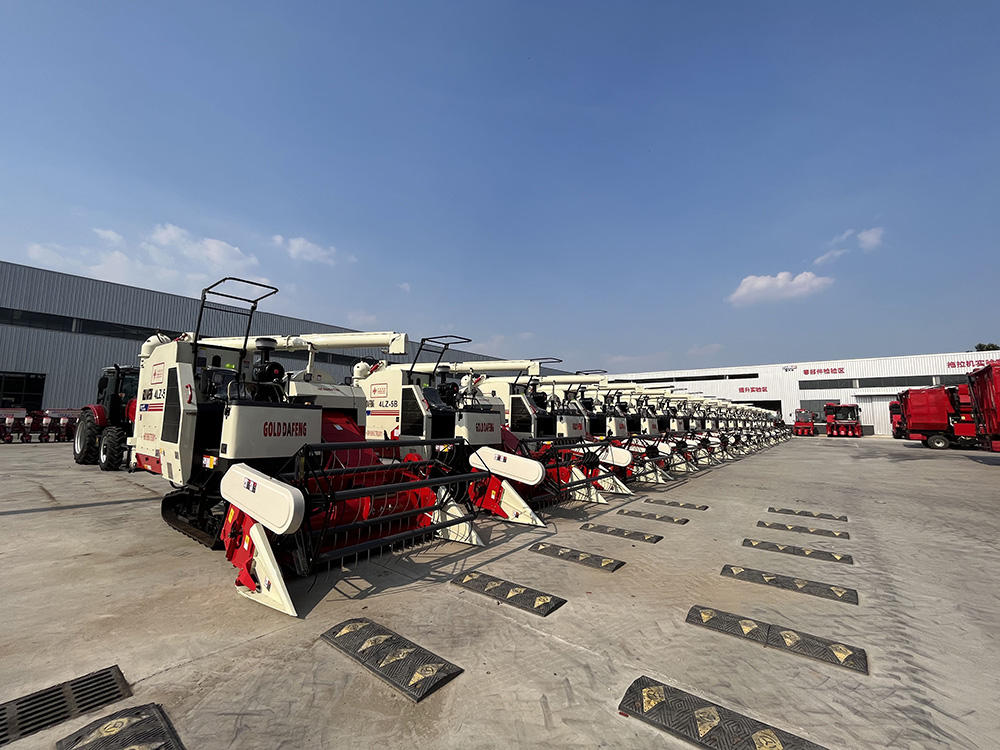
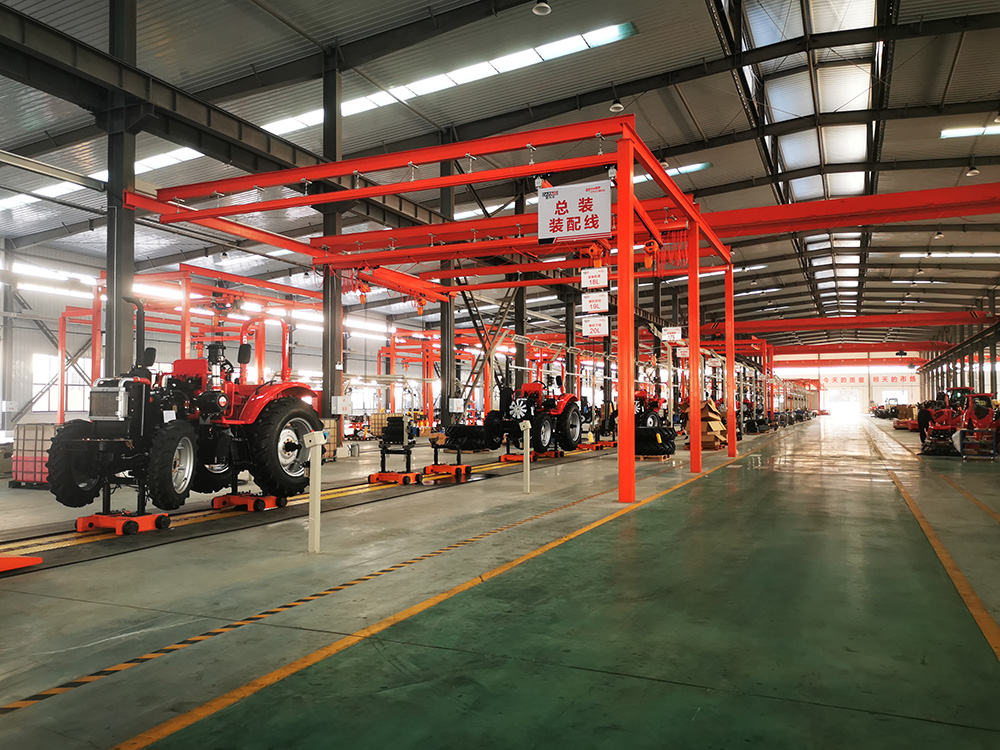
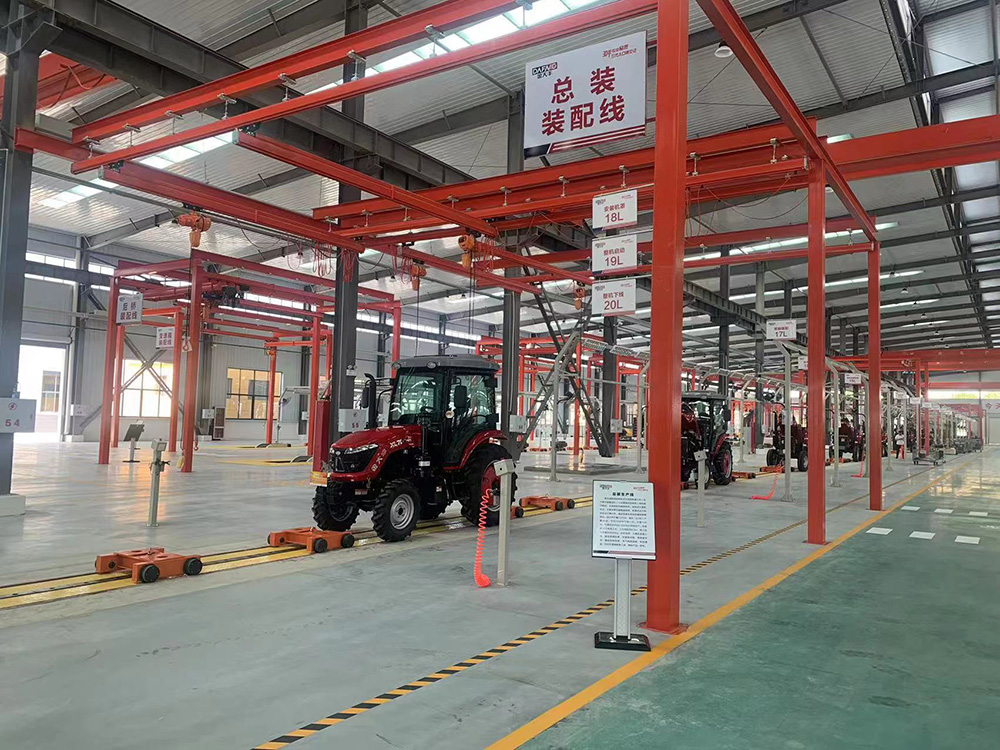
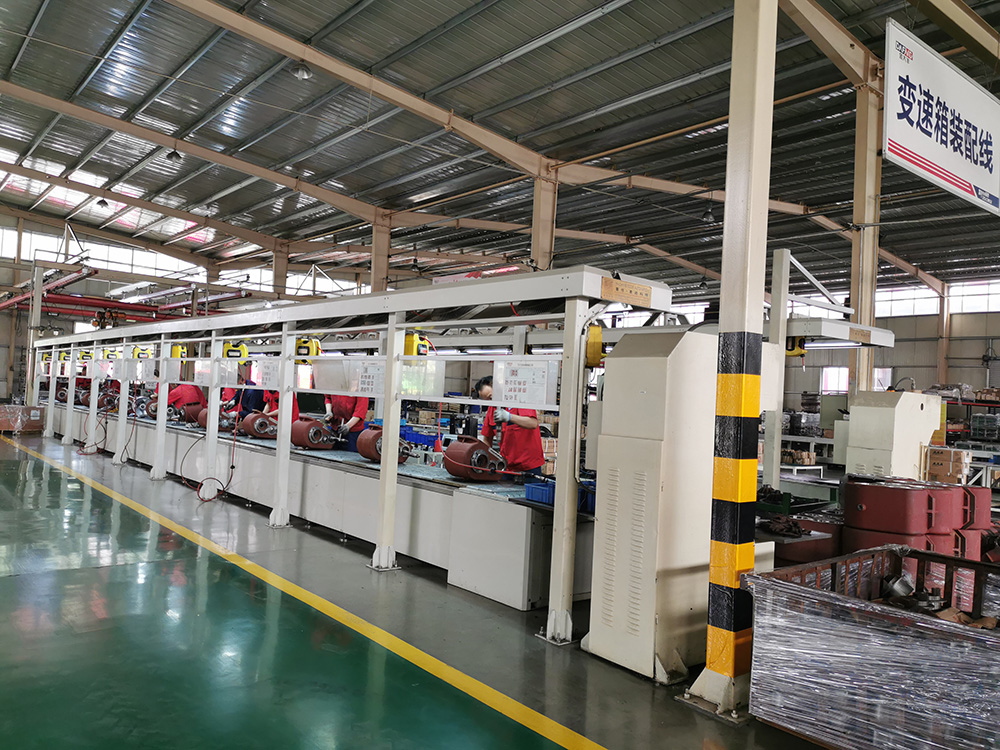
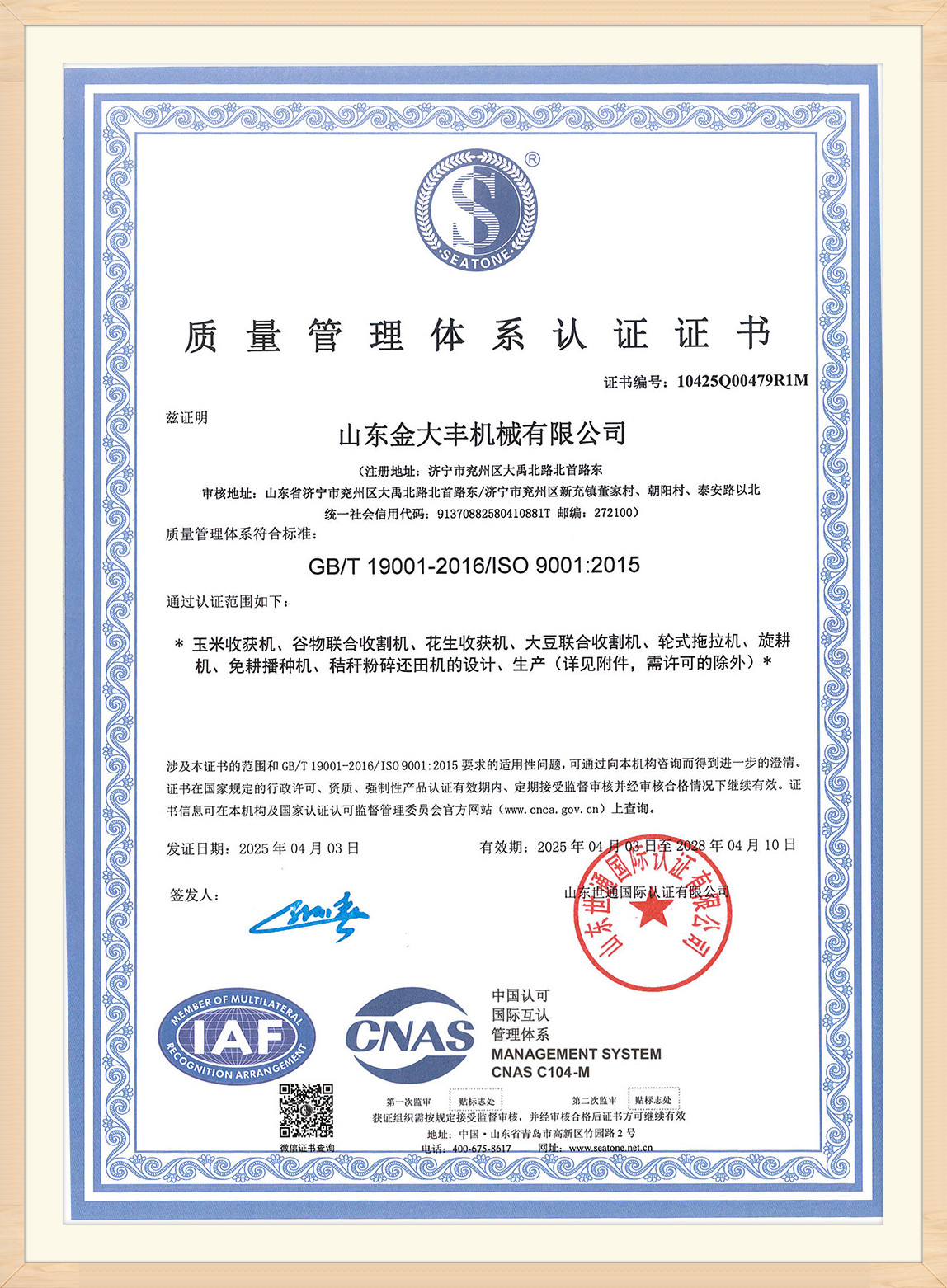
We have obtained ISO 9001 quality certification, and our products are sold to various provinces in China and exported to regions such as Russia, Southeast Asia, South Asia, Central America, Africa, South America, the Middle East, and Eastern Europe. We also welcome OEM and ODM orders. Whether selecting current products from our catalog or customizing agricultural machinery products for your specific needs, Gold Dafeng can deliver optimized solutions.
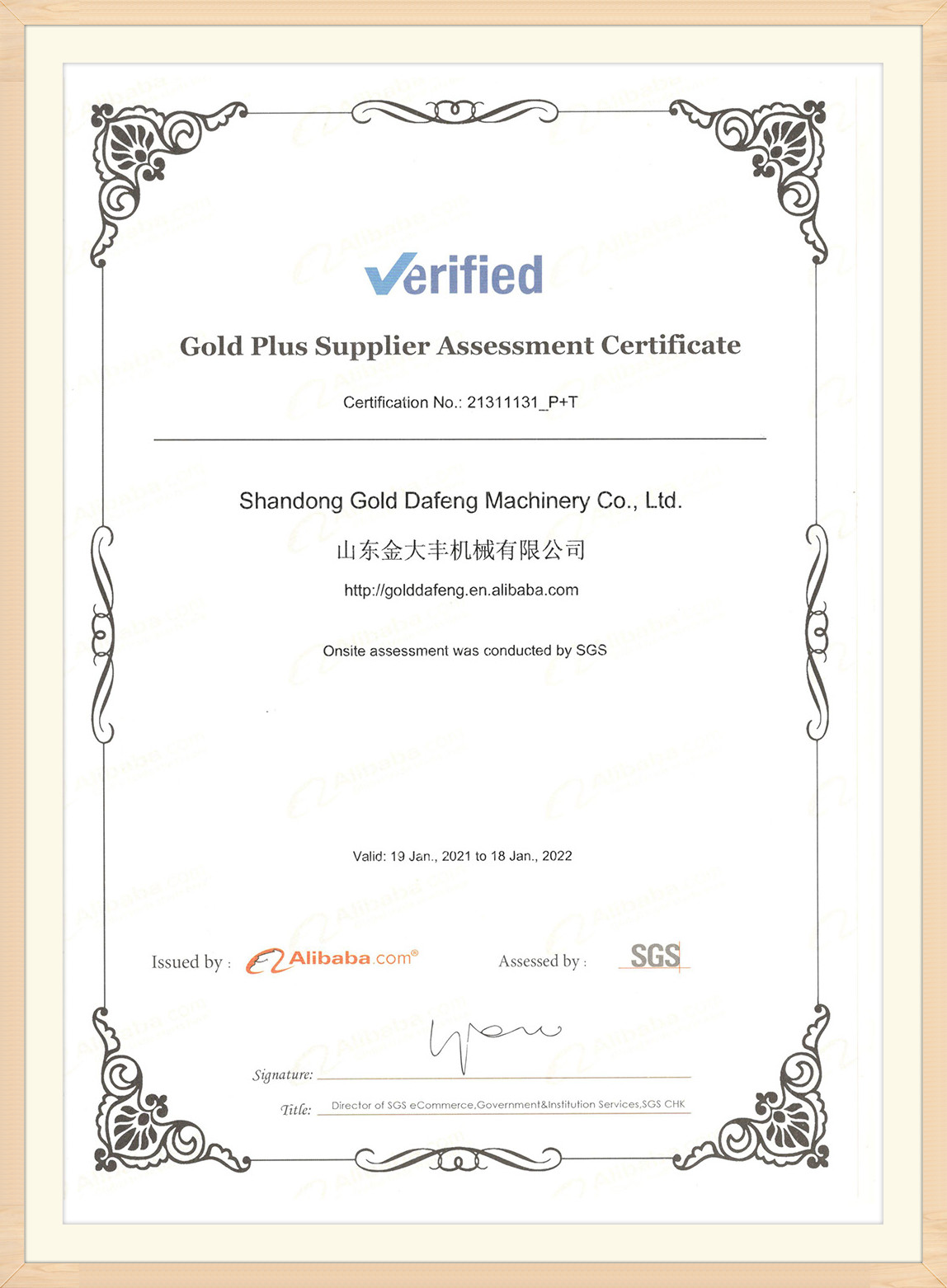
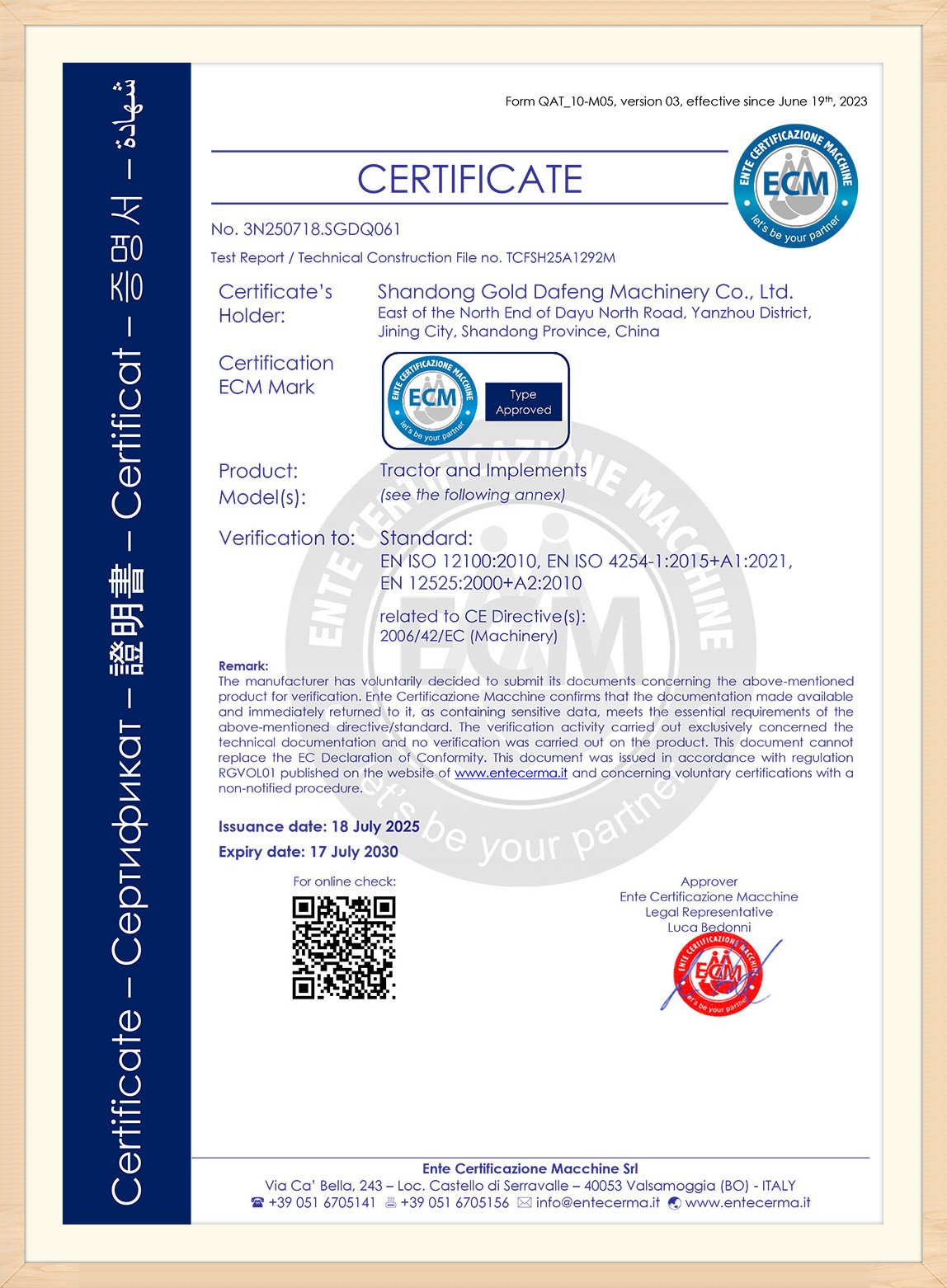
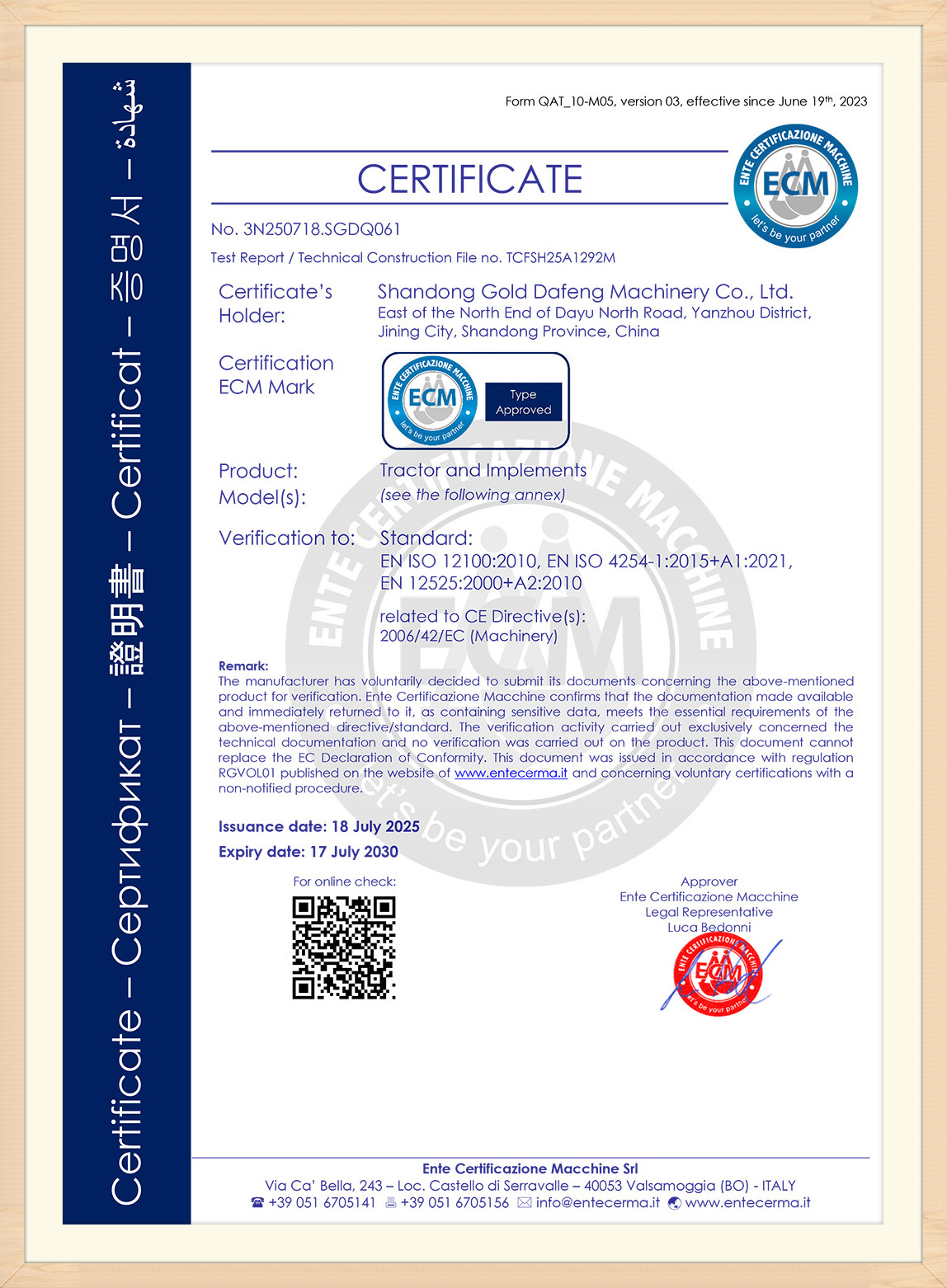
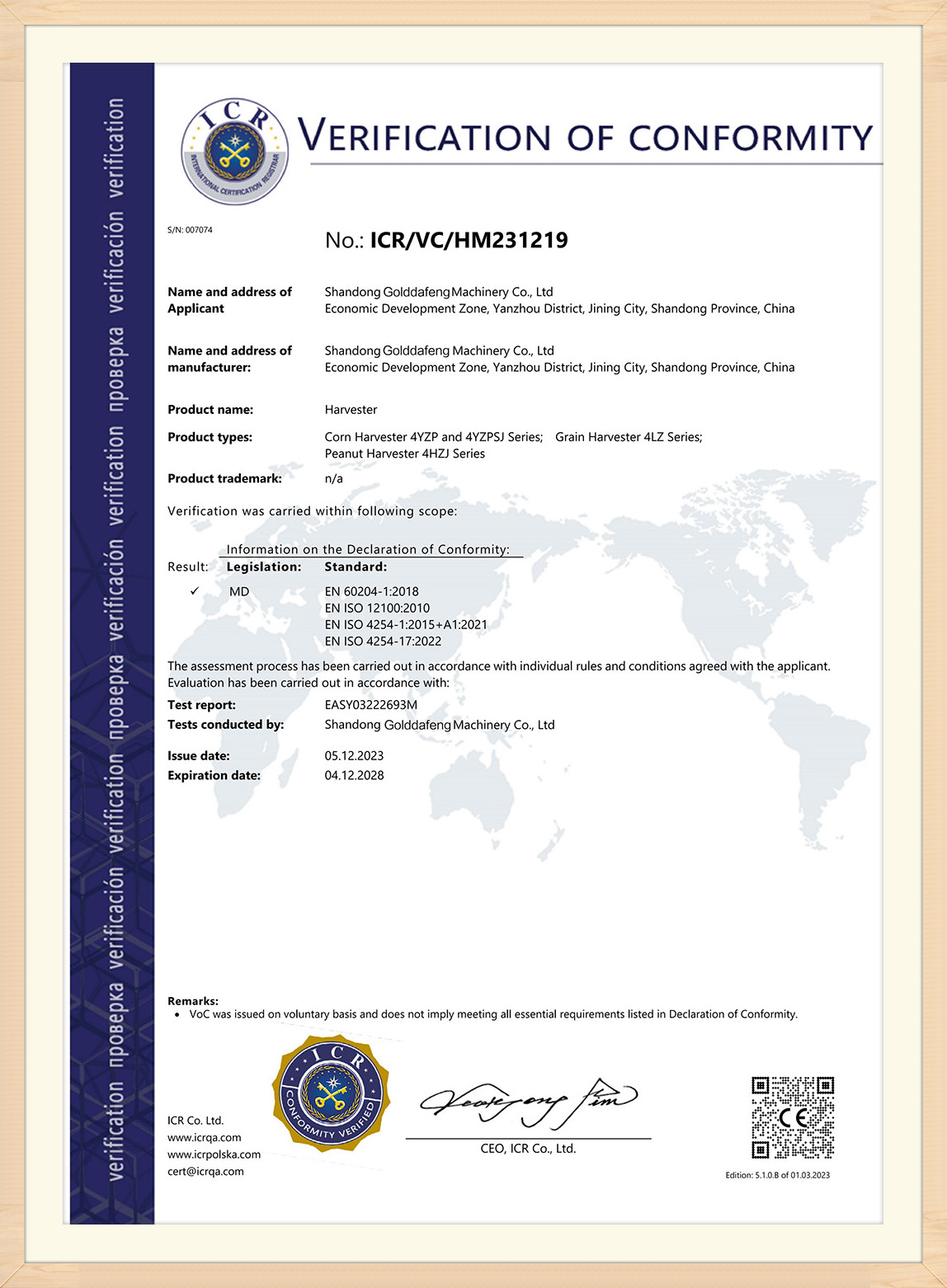
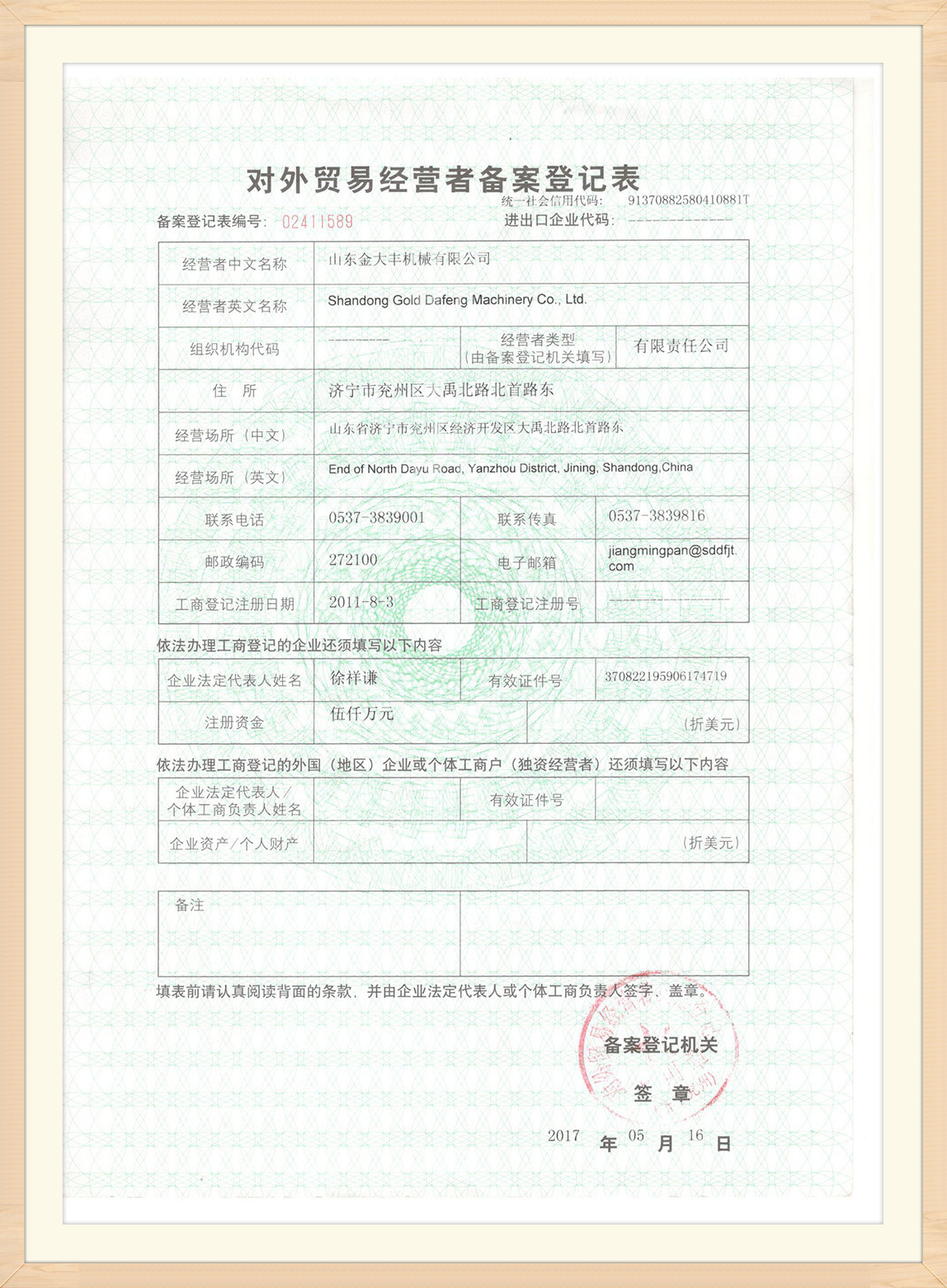
For the past thirty years, Golddafeng has consistently placed after-sales service on equal footing with product sales. This is why our products are so popular in the market. Our products are exported to over 40 countries, including Russia, Kazakhstan, Mongolia, Argentina, Brazil, Romania, Ukraine, as well as countries in Africa and Southeast Asia. We maintain long-term partnerships of over 12 years with partners in 16 countries.
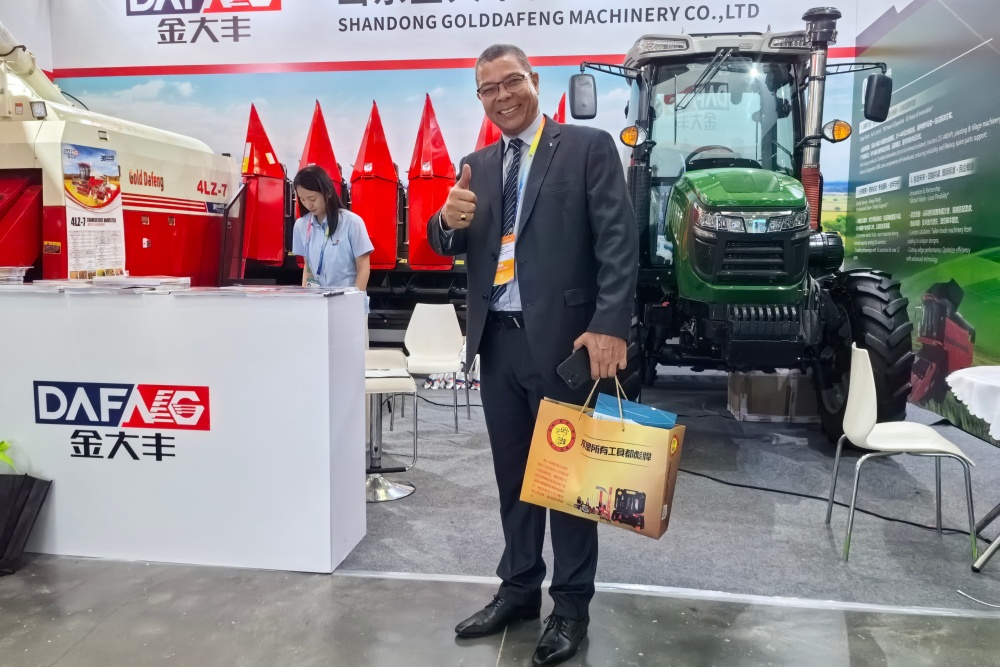
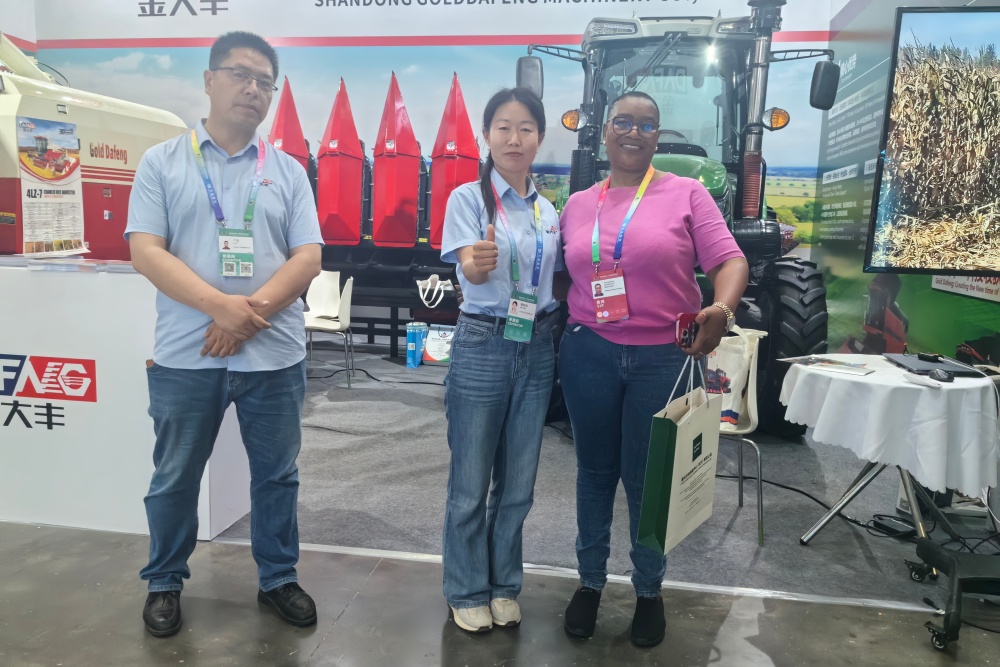
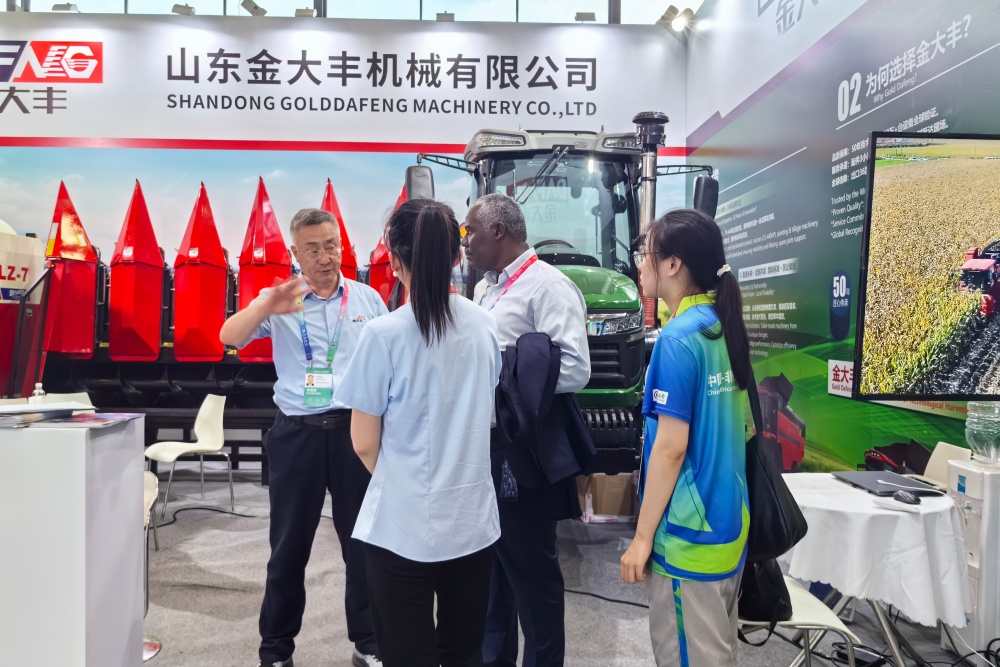
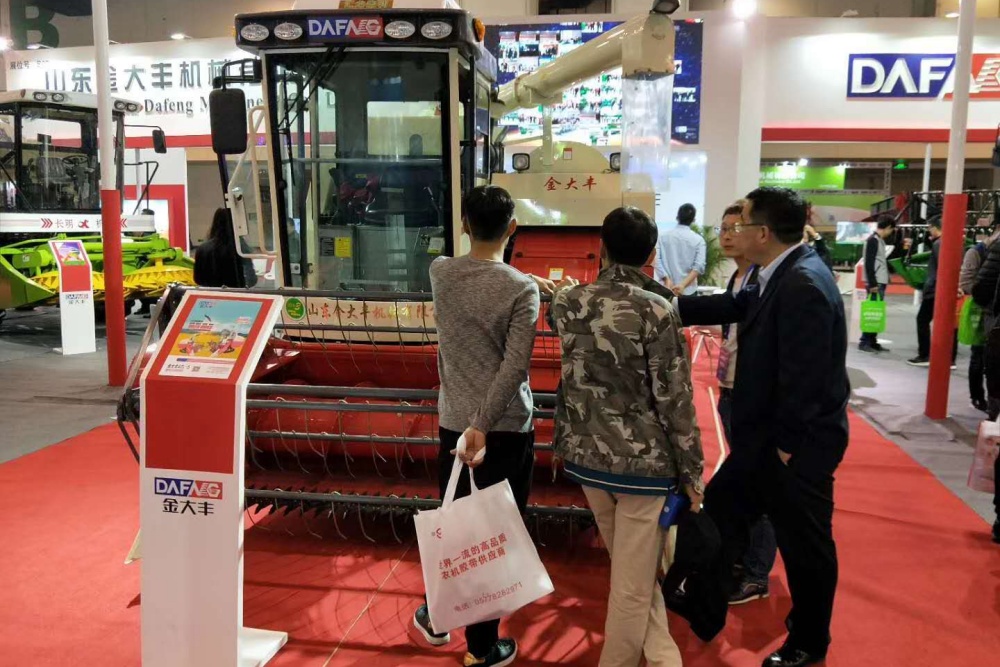
Explore our full range of high-efficiency harvesting equipment, heavy-duty diesel tractors, and versatile tillage machinery.