
Leave Your Message
Wheat harvesting stands as a cornerstone of global food security, where efficiency and precision can dramatically impact yields and profitability. The evolution of wheat harvesters—from manual to mechanized, and today to AI-enabled smart machinery—has transformed farming practices worldwide. Modern wheat harvesters are not merely tools; they are intelligent systems engineered to combine grain with minimal loss and maximal throughput.
The commercial and industrial status of wheat combine harvesters reveals a dynamic market driven by increasing global demand for wheat, rising labor costs, and a push for sustainable agriculture practices. In regions such as the U.S., Canada, Europe, and parts of Asia, large-scale farms rely heavily on high-capacity, GPS-guided combines that minimize overlaps and optimize field coverage. Conversely, in emerging markets, cost-effective compact models tailored for smallholder farms are gaining prominence, bridging the gap between affordability and efficiency.
The integration of advanced sensor technologies, machine learning algorithms, and autonomous navigation systems is revolutionizing wheat harvesting. Real-time yield monitoring sensors enable operators to gauge harvest performance and crop quality inline, facilitating data-driven decisions. Innovations such as variable-rate technology (VRT) allow combines to adjust cutting speeds and threshing intensity on-the-fly, adapting to heterogeneous field conditions.
Autonomous wheat harvesters equipped with AI-powered obstacle detection and path-planning capabilities are being tested and deployed, promising to reduce human fatigue and operational errors. These systems can operate around the clock under various weather conditions, substantially increasing the harvesting window, which is critical for high-yield crops.
Today's wheat harvesters are designed for multifaceted applications beyond simple grain cutting. They commonly include:
Industrial operators also deploy wheat harvesters as part of a comprehensive value chain system, closely linked with grain storage, transport logistics, and real-time market analytics. This data connectivity contributes to responsive supply chain decisions, reducing waste and improving market timing.
Investing in efficient wheat harvesters is directly correlated with improved farm economics. Harvest machines that reduce crop losses by even a small margin contribute significantly to higher overall profitability. Additionally, modern combines emphasize fuel efficiency and biomass sustainability—some models utilize renewable biofuels, cutting carbon footprints.
Governments and agricultural organizations worldwide increasingly support mechanization with subsidies and education programs to accelerate adoption of advanced harvesters. This catalyzes rural development and promotes food security amid climate challenges.
The wheat harvester sector is poised for transformative growth shaped by digital farming, AI-driven machinery, and eco-conscious engineering. Efficiency in grain combining will not only mean faster harvesting but smarter, sustainable harvesting that benefits farmers, supply chains, and global food systems alike. As manufacturers like Shandong Golddafeng Machinery Co., Ltd. pioneer innovative solutions, farmers worldwide can look forward to an era of optimized grain production with enhanced profitability and minimal environmental impact.
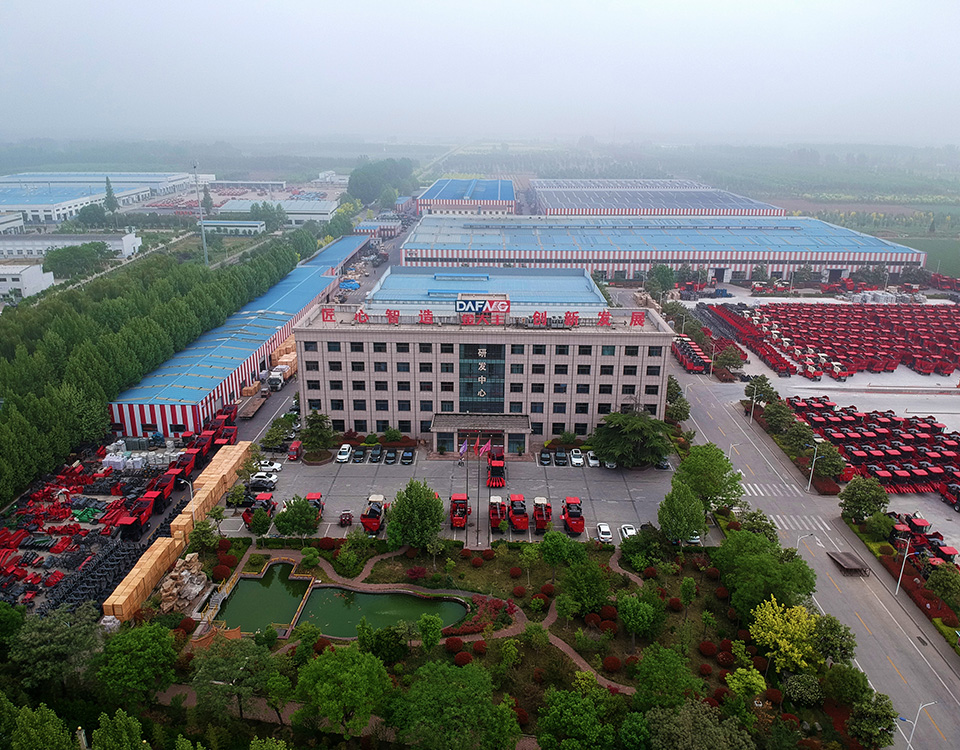
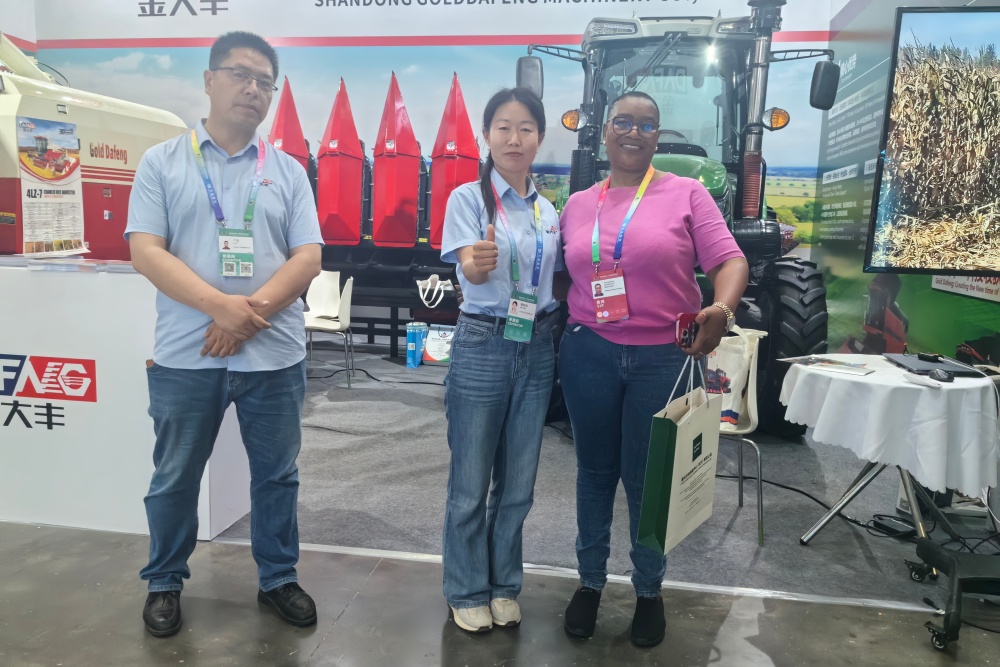
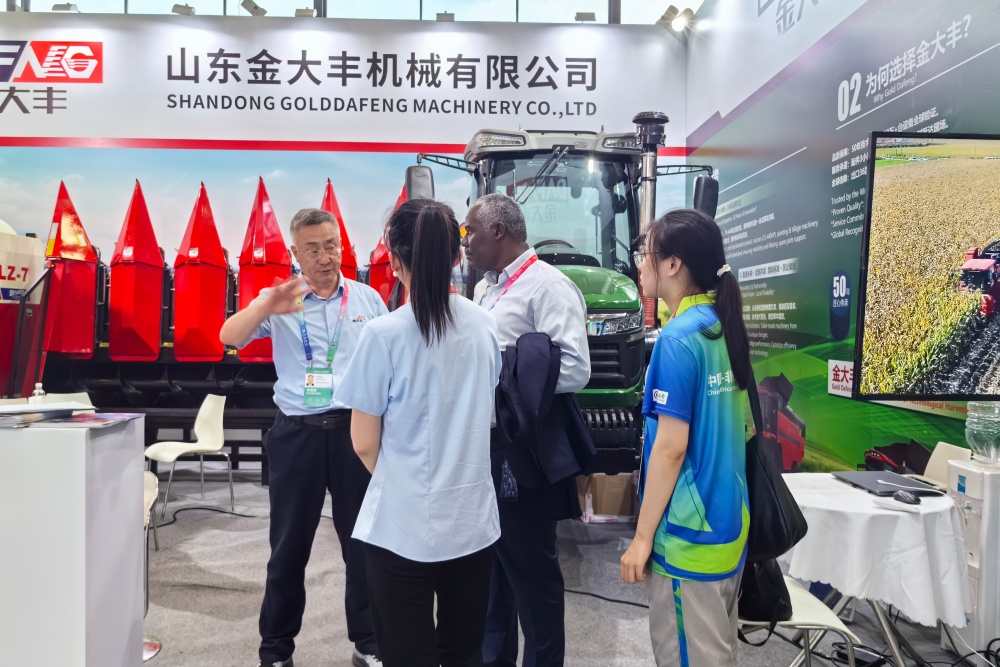
Shandong Golddafeng Machinery Co., Ltd., established in 1995 and headquartered in Jining City, Shandong Province, China, is a leading specialist in developing, manufacturing, and servicing an extensive range of agricultural machinery. The company’s expertise covers rice combine harvesters, grain harvesters, corn combines, silage harvesters, peanut combine harvesters, tractors, rice transplanters, precision seeders, and rotary tillers.
With a focus on rigorous quality control and customer-centric service, Golddafeng employs skilled technicians and R&D personnel dedicated to innovation and client satisfaction. Their commitment has enabled them to reach global markets while adapting products for diverse agricultural environments and mechanization needs.
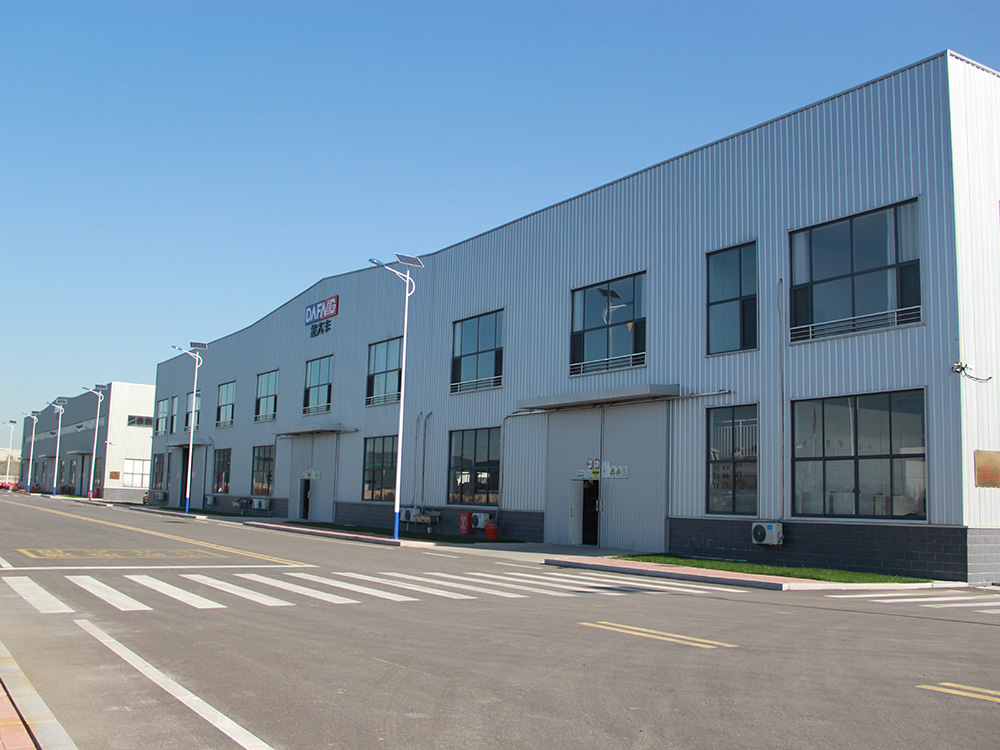
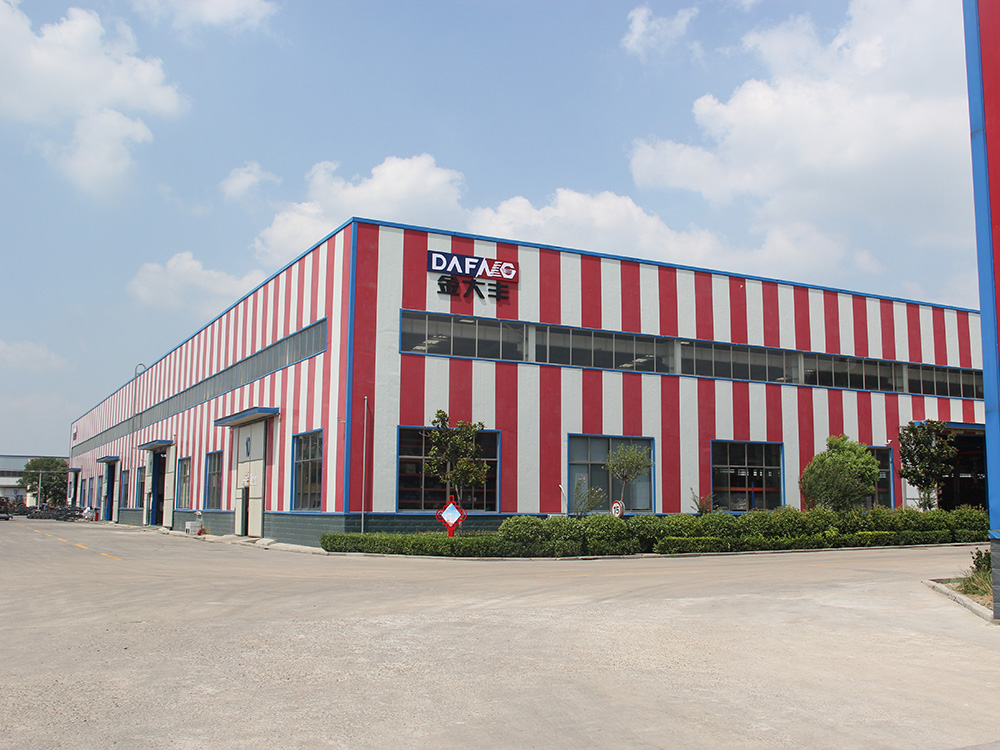
Our company boasts expansive manufacturing facilities and strong financial performance that underline our ability to innovate and serve customers worldwide.
Golddafeng leverages cutting-edge manufacturing technologies including CNC laser cutting, plasma cutting, 3D robotic machining, fully automated assembly lines, welding robots, and electrophoresis baking equipment. Our precision manufacturing ensures each wheat harvester meets exacting performance standards.
With over 200 advanced testing instruments—such as 3D coordinate measuring machines, dynamic balancing meters, ultrasonic flaw detectors, and chemical test laboratories—we enforce stringent quality control at every stage. This comprehensive approach guarantees reliable, durable harvesters which excel in harsh farming conditions.
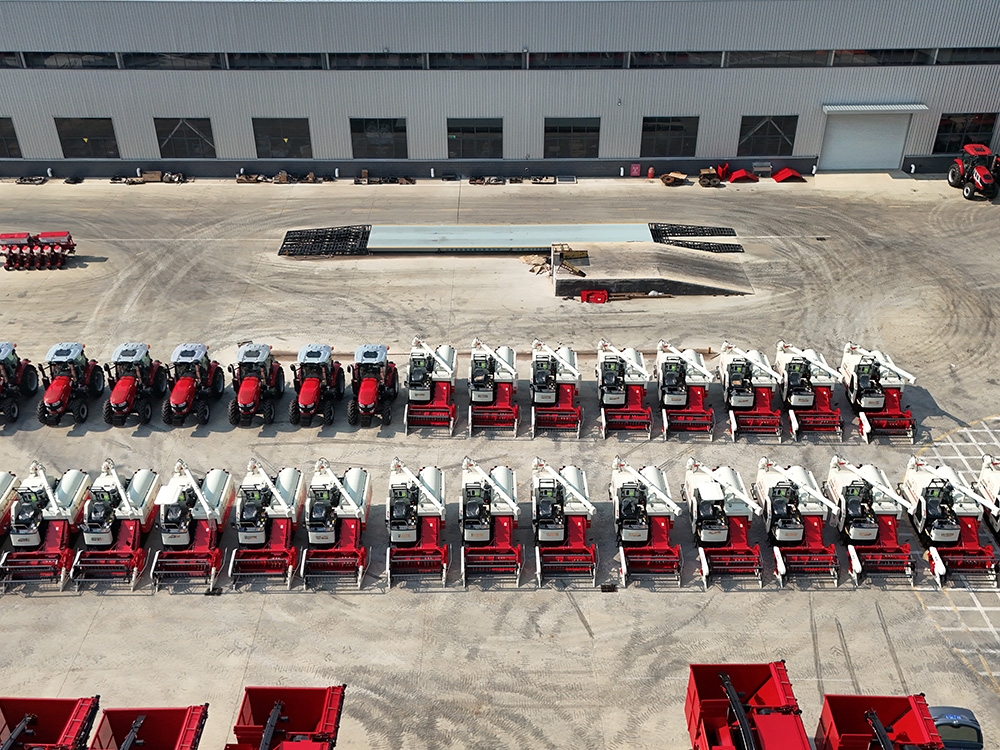
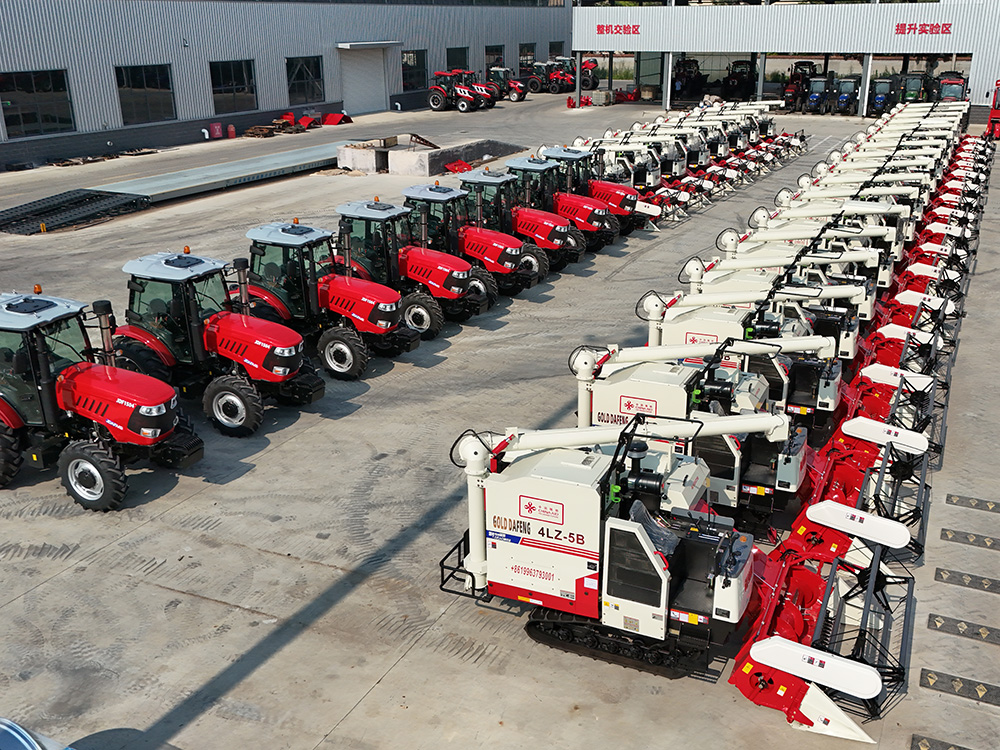
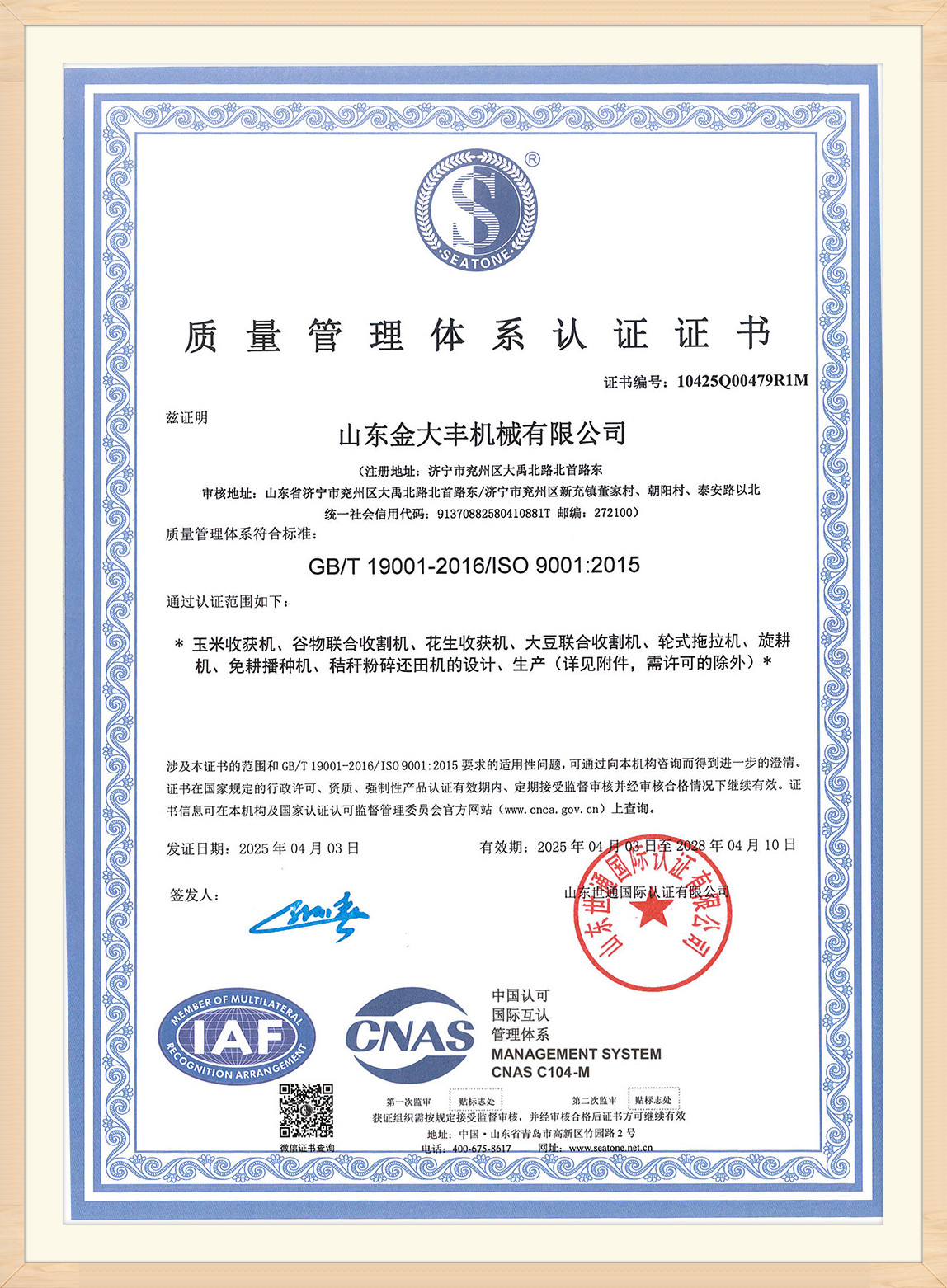
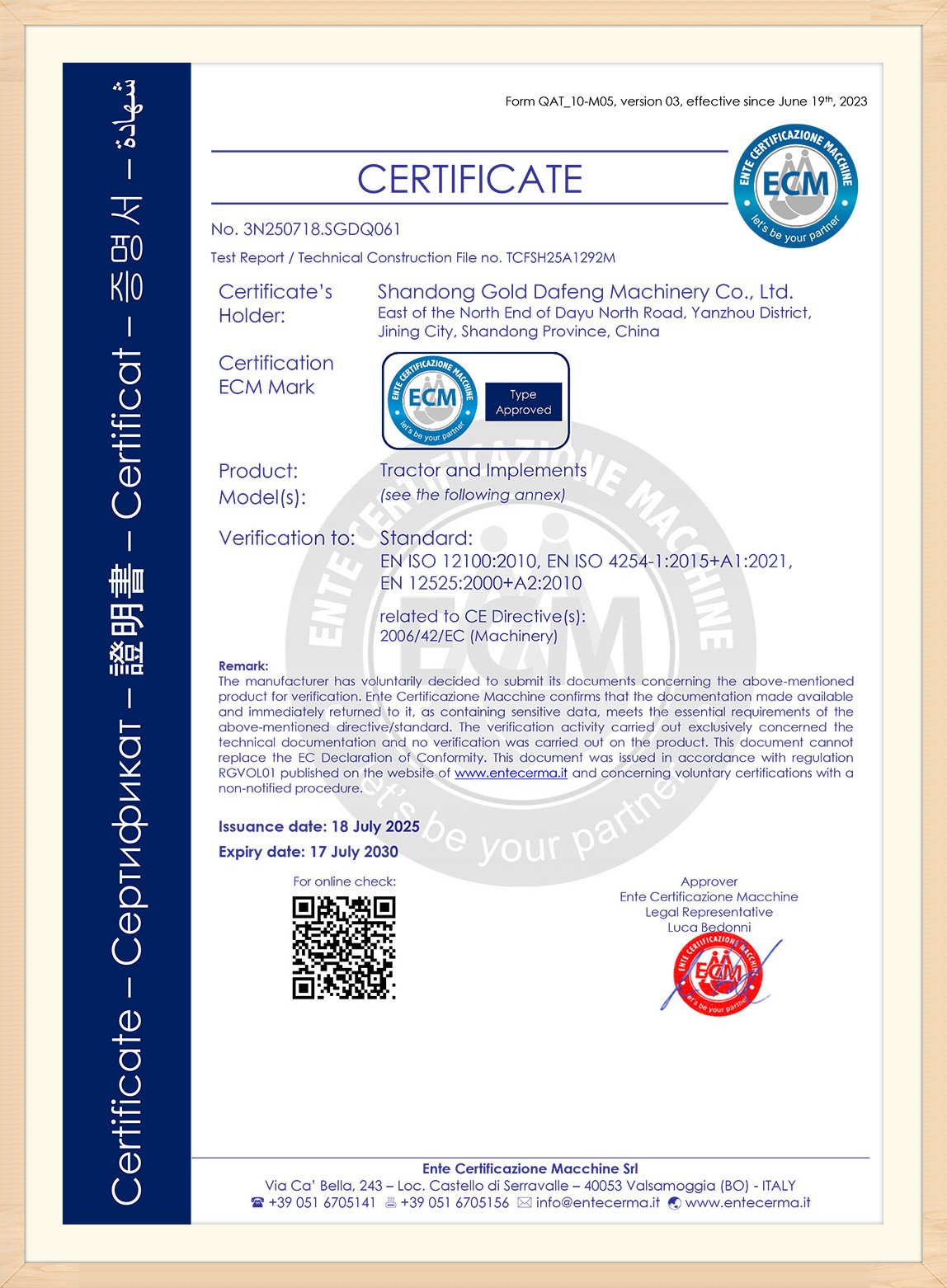
We hold ISO 9001 quality management certification, affirming our commitment to product excellence. Our harvesters are marketed across China and exported to over 40 countries spanning Russia, Southeast Asia, Africa, South America, Middle East, and Eastern Europe. Golddafeng supports OEM and ODM services, customizing machinery to client specifications, ensuring tailored solutions globally.
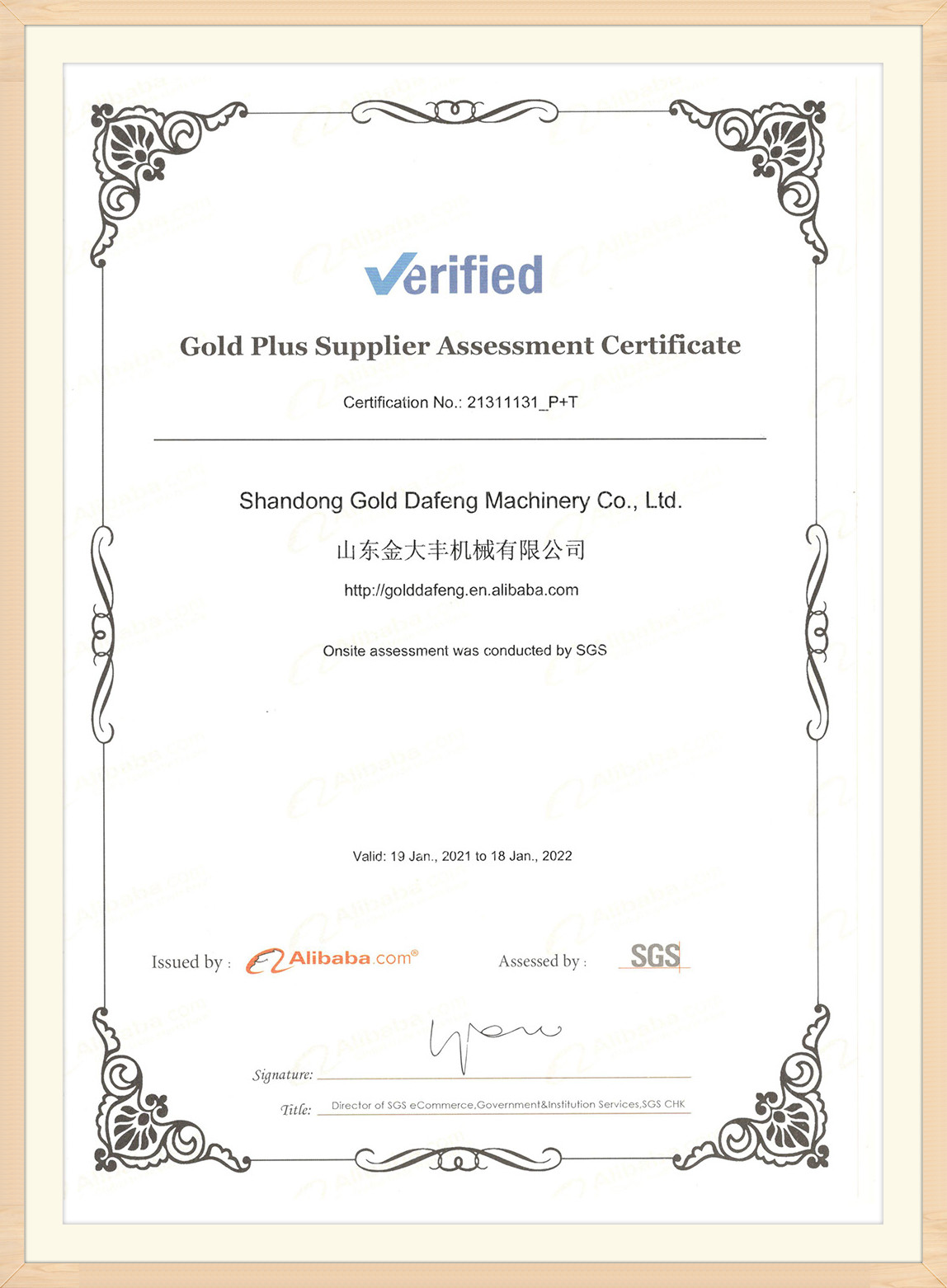
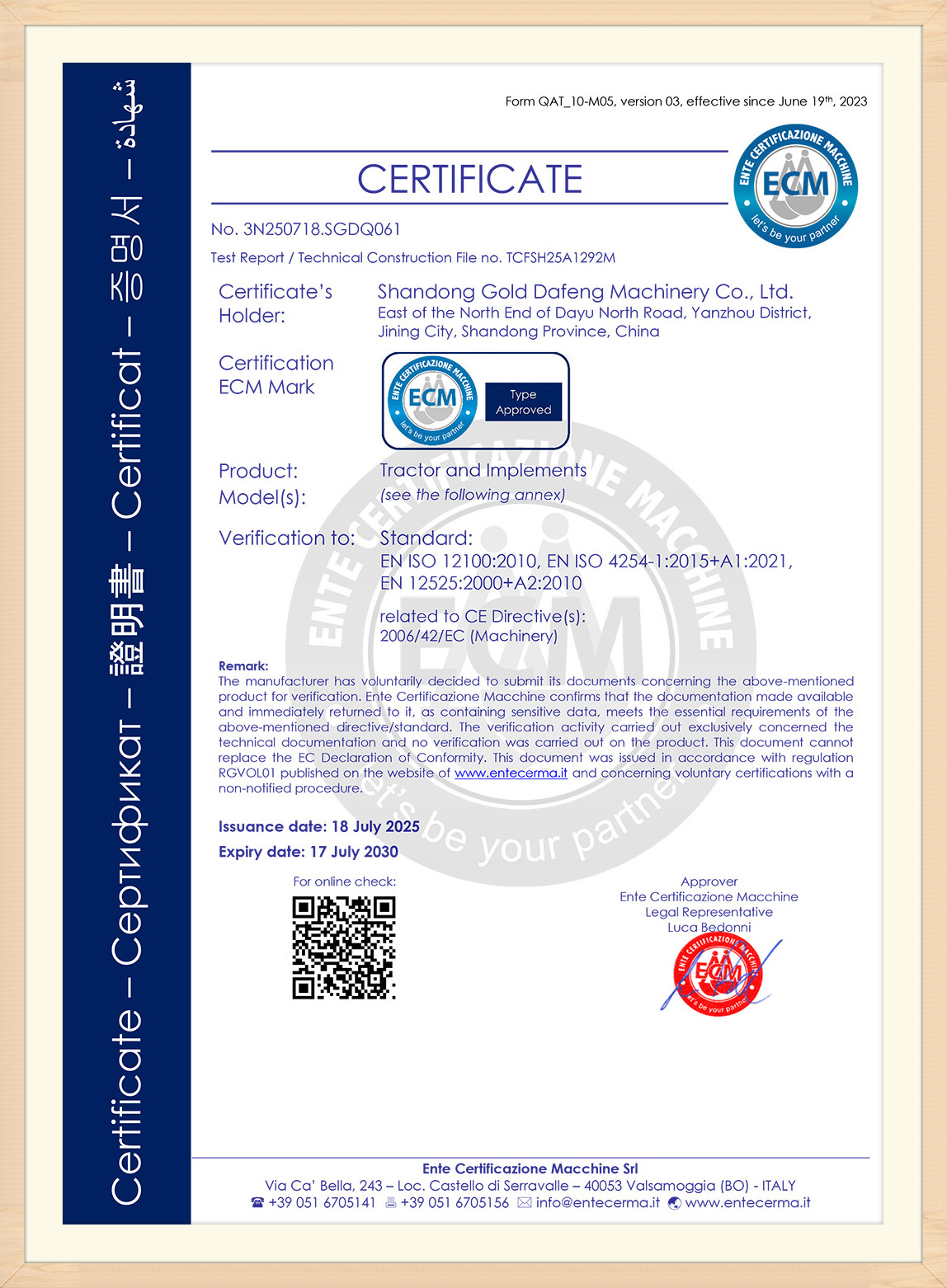
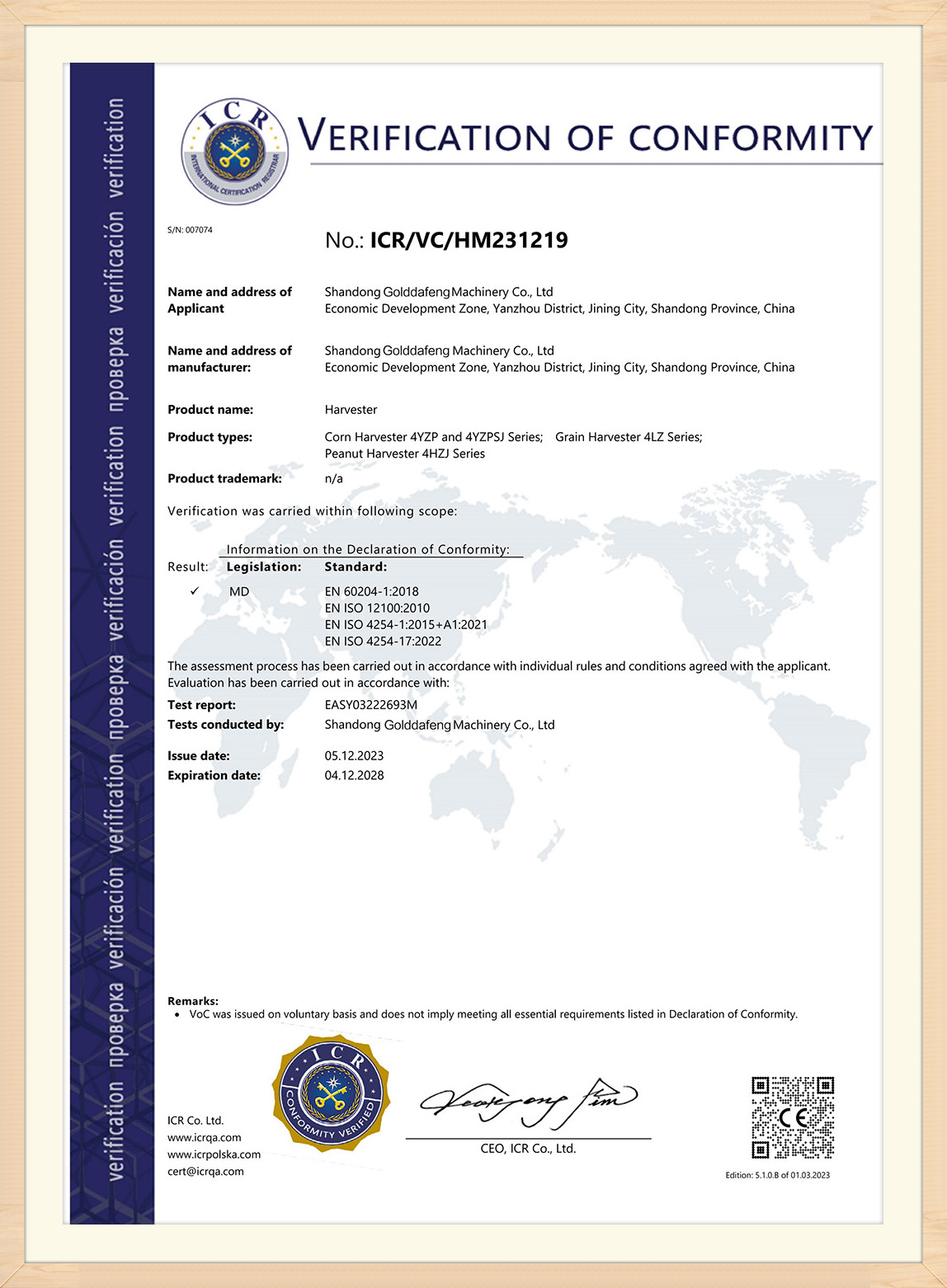
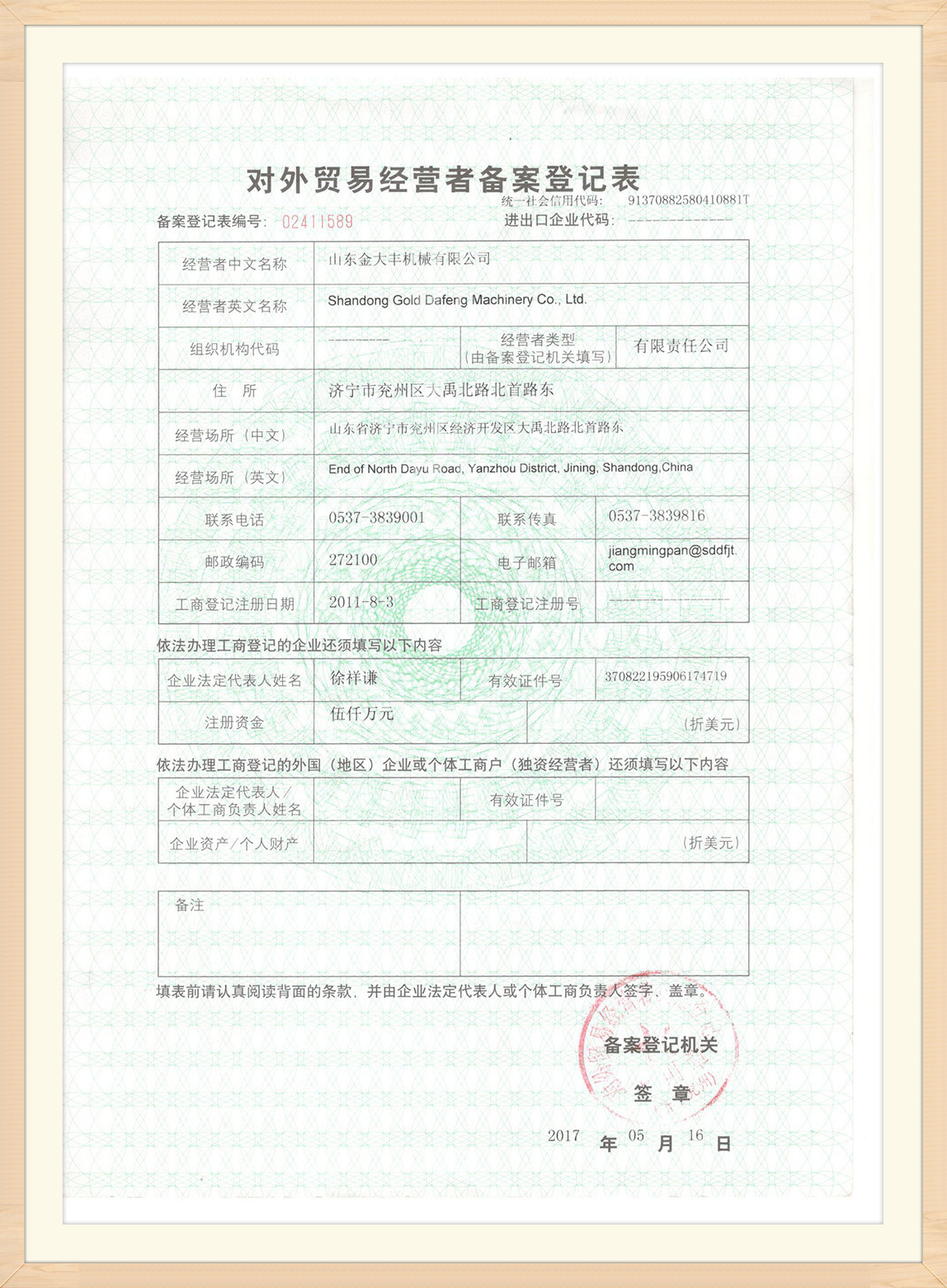
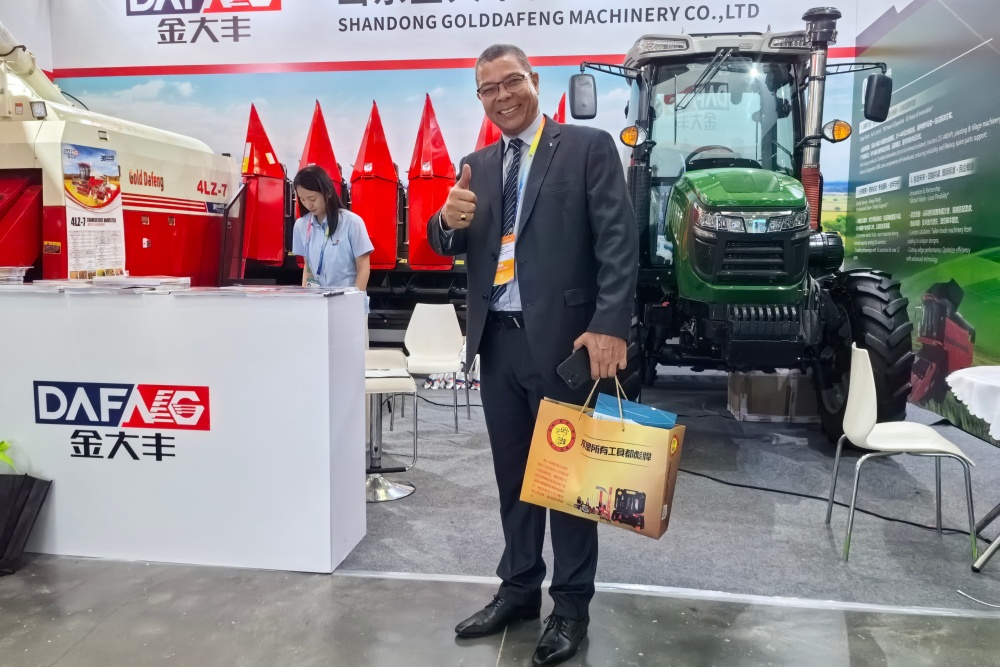
For over three decades, Golddafeng has balanced product innovation with dedicated after-sales service. This enduring commitment has forged strong trust and partnerships in more than 40 countries, including Russia, Kazakhstan, Mongolia, Argentina, Brazil, Romania, Ukraine, Africa, and Southeast Asia. Collaborative partnerships lasting more than 12 years exist in 16 countries, evidencing our global brand strength.

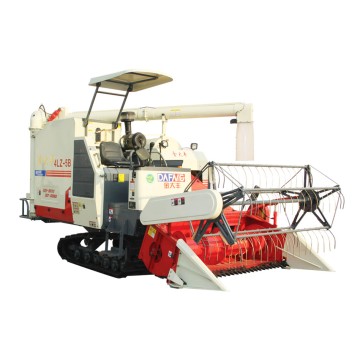 rice harvester rice harvest machine rice combine harvester
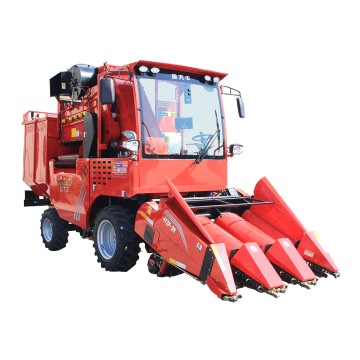 corn harvester corn harvest machine sweet corn harvester
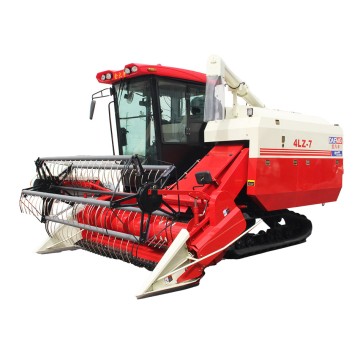 rice cutter harvester machine rice combine harvester made in china
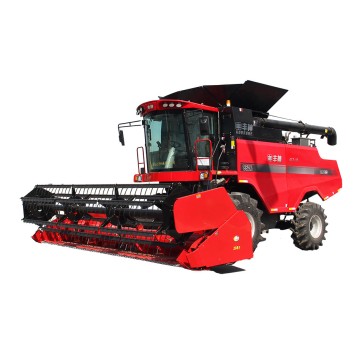 price of wheat harvester chinese wheat combine harvester machine
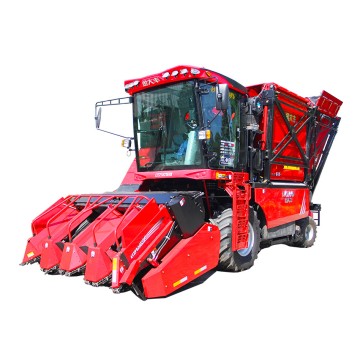 corn combine harvester corn silage harvester machine
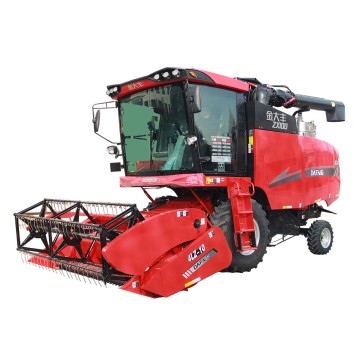 wheat harvester wheat harvest machine wheat combine harvester