
Leave Your Message
High-performance machinery designed for professional agricultural operations.
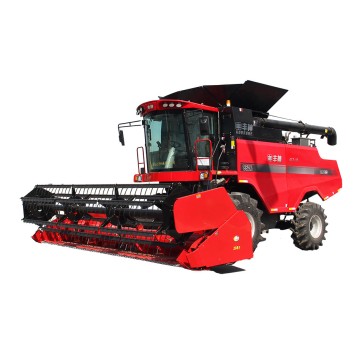
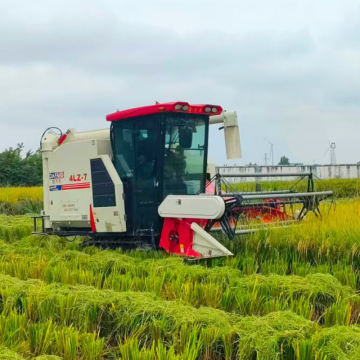
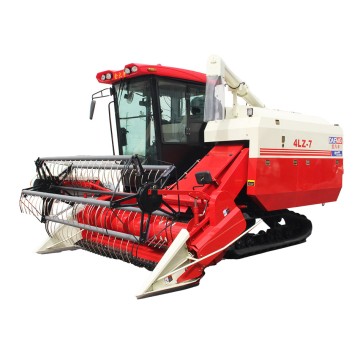
In the contemporary agricultural landscape, the term "Wheat Combine Machine For Professional Paddy Management" represents more than just a piece of equipment; it signifies the convergence of mechanical engineering and agronomic science. Historically, wheat and rice (paddy) were harvested using distinct, specialized machinery. However, the rise of multi-crop rotational farming and the need for industrial-scale efficiency have driven the development of versatile combine harvesters capable of handling both crops with surgical precision.
Modern wheat combine machines utilize axial-flow threshing technologies that minimize grain breakage. When applied to paddy management, these systems are adjusted to handle the higher moisture content of rice stalks, ensuring clean grain separation without compromising the integrity of the husk.
Professional management involves real-time data. Integrated sensors in machines like the 4LZ-13 type allow operators to monitor yield maps, moisture levels, and grain loss, turning a standard harvest into a data-driven industrial process.
The global market for agricultural machinery is undergoing a massive transformation. China has emerged as a powerhouse supplier, with factories like Gold Dafeng leading the charge in providing "Reliable Suppliers and Factory" direct solutions. The industrial status of these machines is characterized by a shift toward high-horsepower, self-propelled units that can operate across diverse terrains—from the muddy wetlands of Southeast Asia to the vast wheat plains of Central Asia and Eastern Europe.
Current industrial trends show a 15% annual increase in demand for multi-functional harvesters. Large-scale farming enterprises are moving away from single-use machines to reduce capital expenditure (CAPEX) and maintenance costs. By investing in a high-quality wheat combine machine for professional paddy management, commercial farms can utilize the same chassis and engine for multiple harvest seasons throughout the year.
Professional paddy management extends far beyond the act of cutting stalks. It encompasses soil health, straw utilization, and subsequent planting cycles. The 4LZ-13 Type self-propelled grain harvester is a prime example of how engineering meets these complex needs.
Paddy fields are notoriously difficult for heavy machinery due to soil saturation. Professional-grade wheat combine machines are now engineered with wider tracks or high-flotation tires. This design reduces ground pressure, preventing soil compaction which is critical for maintaining the health of the paddy ecosystem for the next planting season.
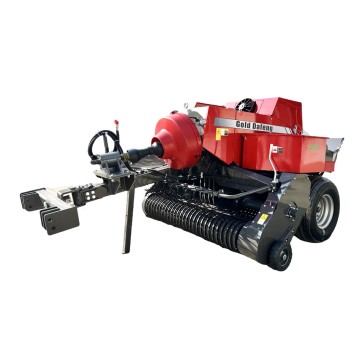
In the past, straw was often burned, causing environmental hazards. Modern management utilizes the combine machine to chop straw and spread it evenly as mulch, or it works in tandem with Square Hay Balers. This allows the "waste" to be converted into industrial raw materials for biomass energy or animal feed, creating a circular economy within the farm.
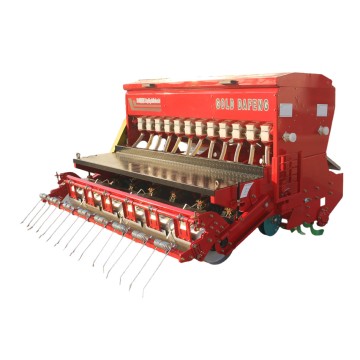
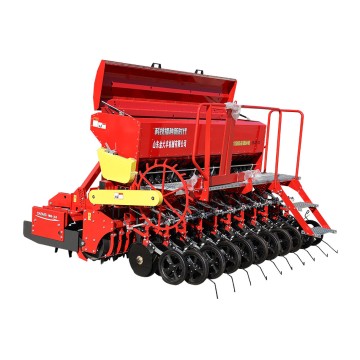
The transition from harvesting to the next sowing cycle is where efficiency is truly tested. Using a Rotary Tillage Fertilizing Seeder Machine immediately after the combine has cleared the field ensures that the soil remains aerated and nutrient-rich. This integrated approach is the hallmark of "Professional Paddy Management."
As we look toward 2030, the Wheat Combine Machine For Professional Paddy Management is becoming increasingly "smart." We are seeing several key trends:
For the professional farm manager, these trends mean higher yields, lower operational costs, and a more sustainable footprint. Gold Dafeng’s commitment to "Efficient Farming Solutions" ensures that their equipment is at the forefront of these technological shifts.
Explore our full range of professional paddy and wheat management equipment.
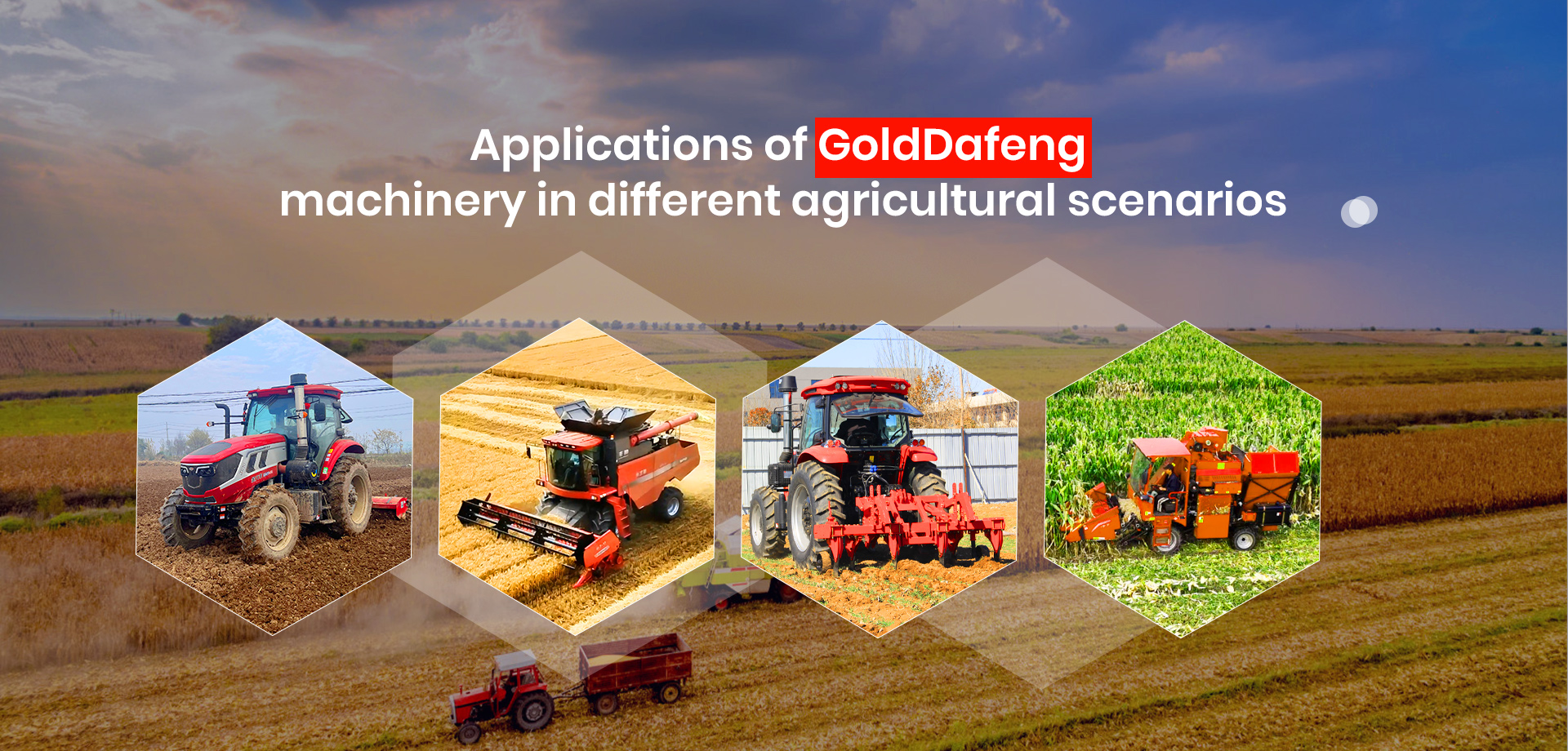
Tractors equipped with plows, harrows, rotary tillers, and other specialized implements efficiently complete the entire process of deep tillage, turning, breaking up soil, and leveling. They effectively break up soil compaction, improve soil aeration and moisture retention, laying a solid foundation for subsequent sowing and transplanting.
Tractors equipped with specialized seeders precisely carry out sowing operations for grain crops such as wheat, corn, rice, soybeans, peanuts, millet, sunflowers, sorghum, and rapeseed. Precise control of sowing depth, row spacing, and plant spacing significantly improves germination rates, ensuring uniform crop growth and laying a good foundation for field management and a bumper harvest.
Tractors equipped with cultivators efficiently complete weeding, loosening soil, and hilling operations, promoting healthy root development in crops. The dedicated greenhouse tractor allows for more flexible movement between orchards and greenhouses, easily handling delicate operations such as agricultural supply transportation and pruning assistance.
The combine harvester is multi-functional, completing core processes such as harvesting, threshing, and straw processing in one go, directly producing clean grains. It significantly shortens the harvesting cycle, effectively avoiding the risks of crop lodging and mold caused by rainy weather, ensuring a more secure harvest.
Selecting a Wheat Combine Machine For Professional Paddy Management is a strategic decision that impacts the long-term profitability of any agricultural enterprise. By focusing on machines that offer high efficiency, multi-crop versatility, and robust factory support, farm managers can ensure they are prepared for the challenges of modern agriculture. Whether it is the 4LZ-13 type harvester or specialized seeding equipment, the goal remains the same: maximizing yield while preserving the land for generations to come.
For more information on high-efficiency farming solutions and to connect with a trusted factory supplier, explore our product range and discover how Gold Dafeng is redefining the future of grain harvesting.