Leave Your Message
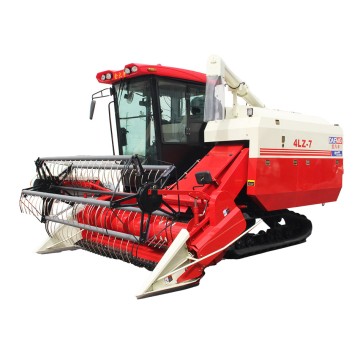
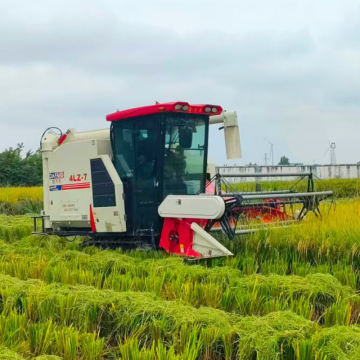
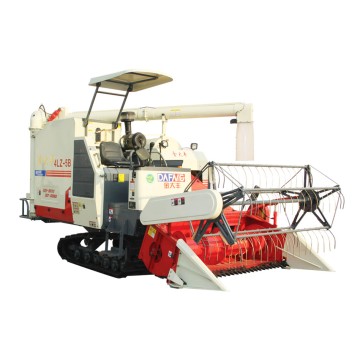
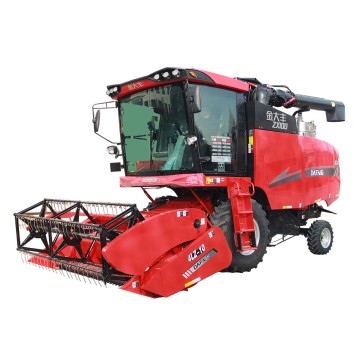
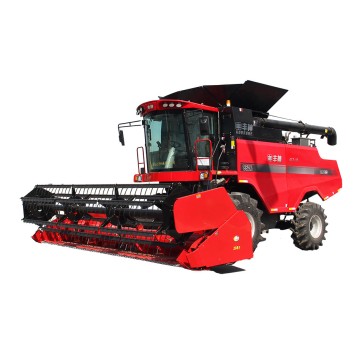
Explore our flagship rice combine harvester machines — precision-engineered for maximum seasonal yield performance in diverse field conditions.
Understanding where the palay harvester market stands today — and where it is heading tomorrow.
Rice, known as palay in its unhusked form, is the primary staple crop for more than half of the world's population. With global rice production exceeding 520 million metric tons annually, the demand for efficient, reliable, and technologically advanced palay harvesters has never been greater. The palay harvester industry sits at the intersection of agricultural necessity and industrial innovation, serving smallholder farms, large commercial operations, and government-backed food security programs across Asia, Africa, Latin America, and beyond.
The global combine harvester market was valued at over USD 6.8 billion in 2023 and is projected to grow at a CAGR of 5.2% through 2030, driven largely by rising demand for palay and grain harvesting automation in emerging economies.
Historically, palay harvesting was a labor-intensive process relying on manual cutting, bundling, threshing, and drying. The introduction of mechanized palay harvesters transformed this workflow dramatically — reducing harvest time by up to 80%, cutting post-harvest grain losses from over 15% to under 3%, and enabling farmers to respond rapidly to narrow seasonal harvest windows. Today, the commercial palay harvester market is dominated by a combination of Chinese, Japanese, and Korean manufacturers, with Chinese brands increasingly capturing global market share through competitive pricing, robust after-sales networks, and rapid technological advancement.
Several powerful trends are reshaping how palay harvesters are designed, sold, and deployed at scale:
The value of a high-performance palay harvester is best understood through the specific scenarios in which it operates. Below are the key application contexts driving commercial demand:
In countries like Vietnam, Thailand, India, and China, commercial rice farms spanning hundreds to thousands of hectares require high-capacity palay harvesters capable of continuous operation across wet and dry paddy conditions. Machines with wide cutting widths (2.0m–3.0m), large grain tanks (800L+), and powerful engines (100–150HP) are essential for meeting tight seasonal windows and contractual delivery deadlines.
Smallholder & Cooperative Farming Networks: In the Philippines, Indonesia, Bangladesh, and sub-Saharan Africa, the majority of rice is grown on plots under 2 hectares. Compact palay harvesters with narrow track widths, low ground pressure, and simplified controls are purpose-built for these environments. Custom hiring services (CHS) — where a harvester is rented out to multiple smallholders during peak season — have become a critical business model, allowing individual farmers to access mechanization without capital investment.
Wetland & Flooded Paddy Environments: One of the most technically demanding applications for palay harvesters is operation in waterlogged or flooded paddies. Crawler-type (track-driven) combine harvesters with specialized rubber tracks distribute machine weight over a larger footprint, preventing sinkage and enabling harvest even in fields with standing water up to 20cm deep. This capability is critical in regions with monsoon-driven irrigation schedules where draining fields before harvest is impractical.
Hilly & Terraced Rice Paddies: Across Japan, parts of China, Nepal, and the Philippines, rice is cultivated on terraced hillsides with steep gradients. Mini combine harvesters with self-leveling cutting platforms and hill-compensation mechanisms maintain consistent cutting height and threshing performance regardless of slope, enabling mechanization in areas previously accessible only by hand.
Government Food Security Programs: National governments in emerging markets are increasingly subsidizing palay harvester procurement as part of food security and rural development strategies. Programs in India (PMFBY), Indonesia (Alsintan), and various African nations have driven bulk purchases of combine harvesters, creating significant B2G (business-to-government) commercial channels for manufacturers.
A modern palay harvester does not simply cut and collect grain — it is the first link in an integrated post-harvest value chain. Machines equipped with on-board grain cleaning systems, moisture sensors, and direct-to-trailer unloading augers dramatically reduce the time between field harvest and drying/milling operations. This speed is critical: palay left in humid field conditions for more than 24 hours post-cutting can suffer quality degradation and mycotoxin contamination. By integrating harvesting with immediate grain handling, advanced palay harvesters protect not just yield quantity but yield quality — a distinction that commands premium pricing in export rice markets.
The environmental footprint of palay harvesting is an increasingly important commercial consideration. Modern harvesters address this through:
Three decades of engineering excellence behind every palay harvester we manufacture.
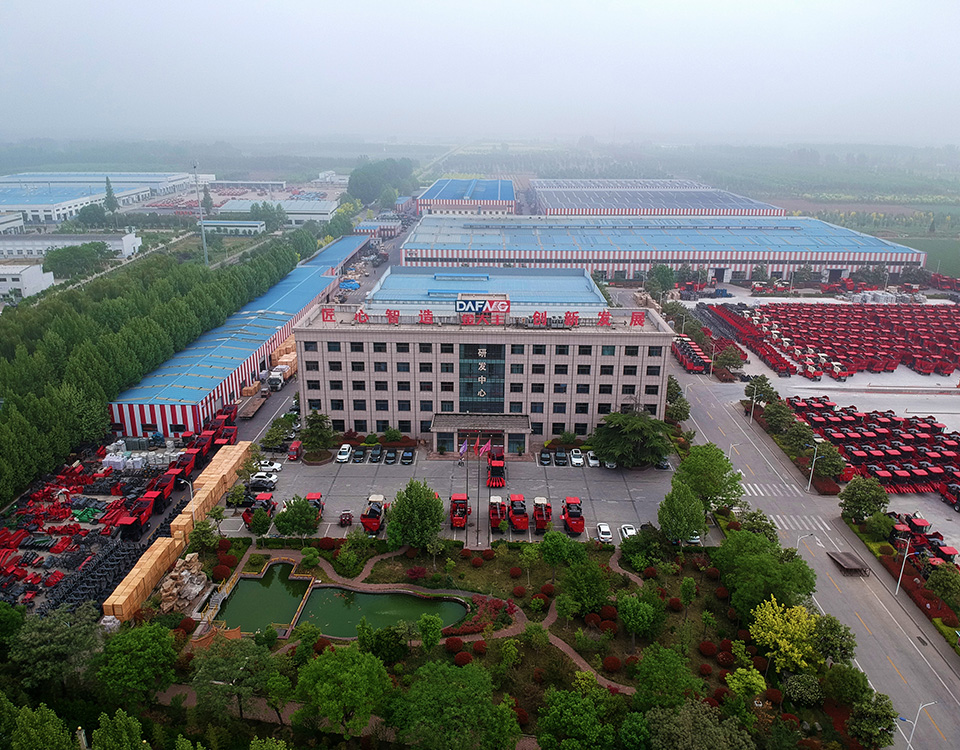
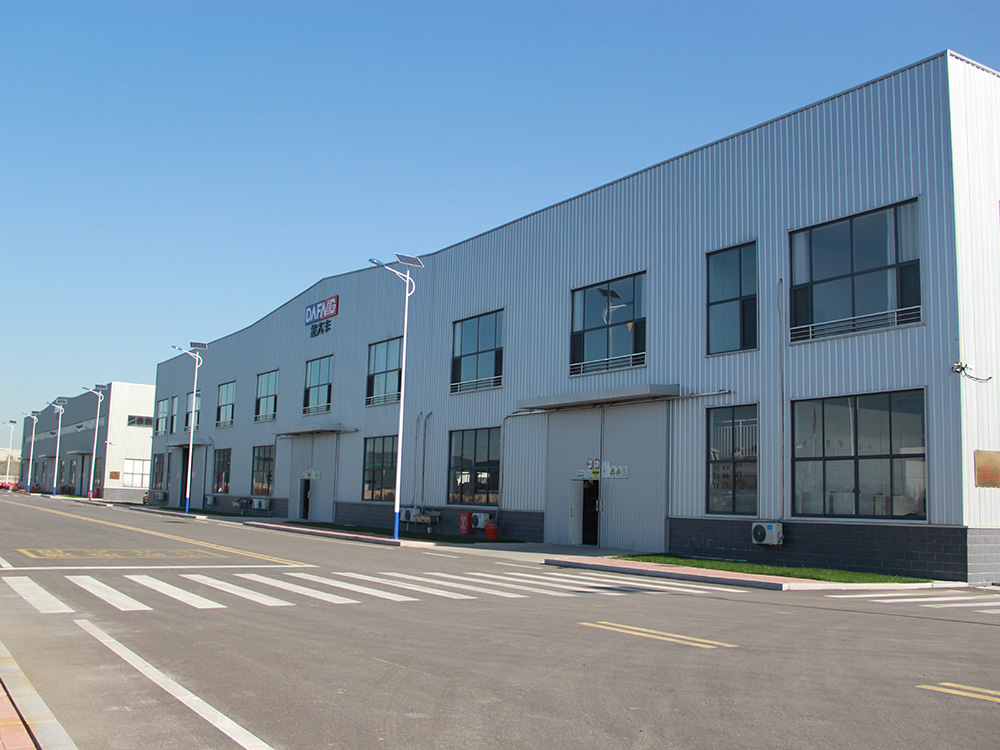
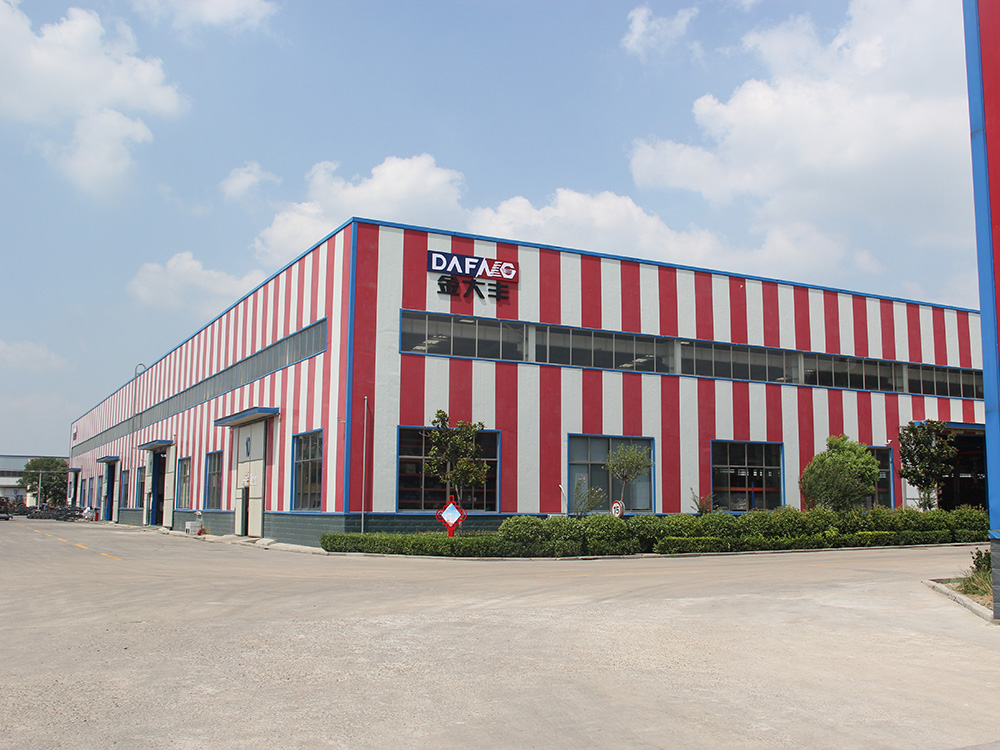
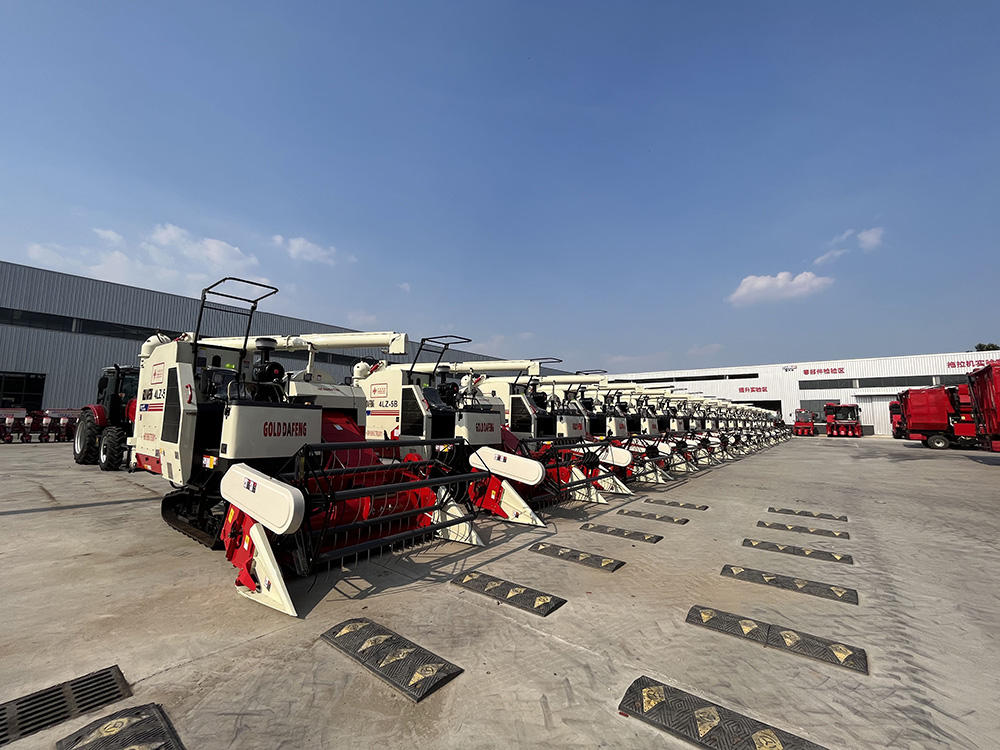
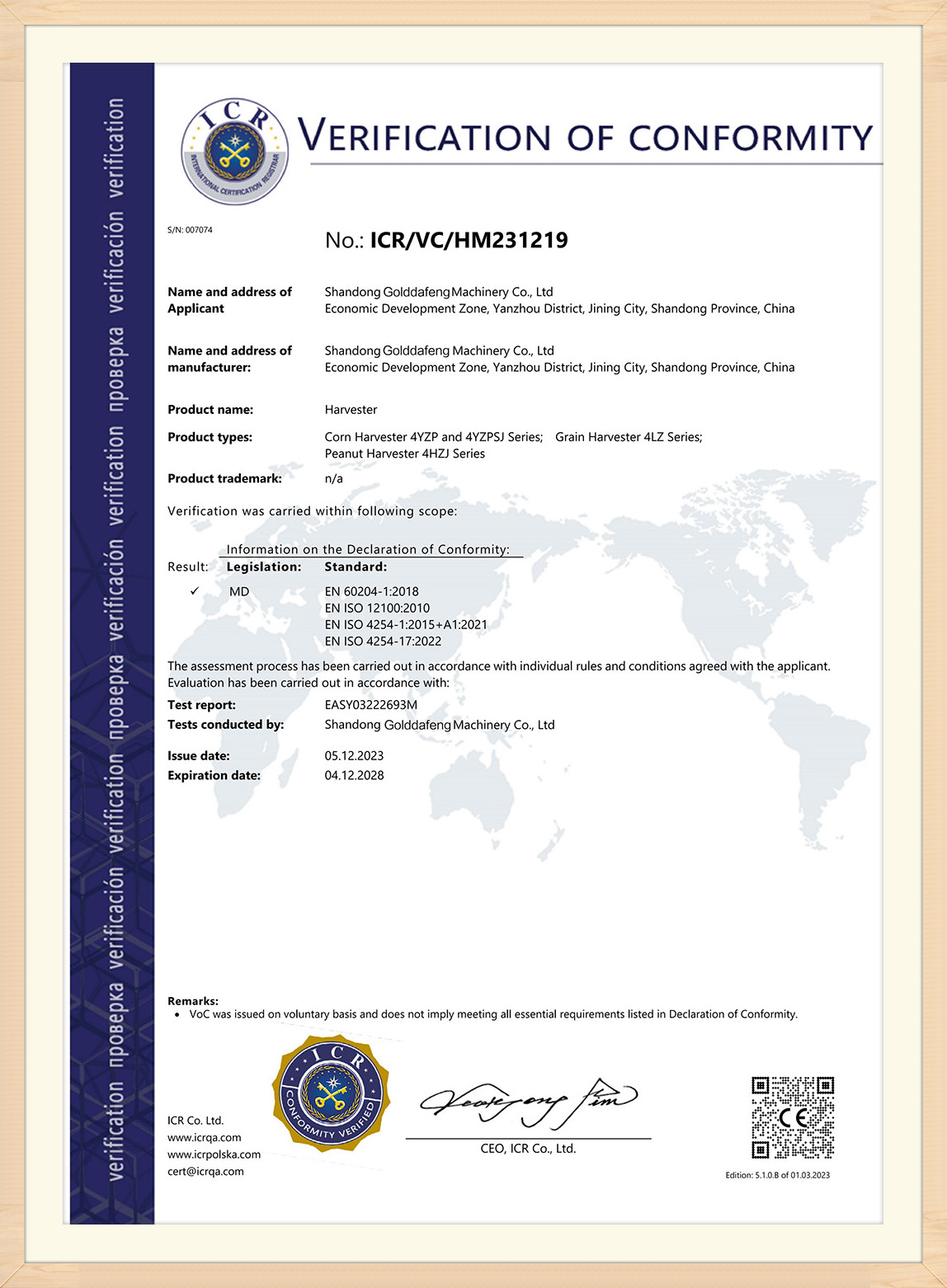
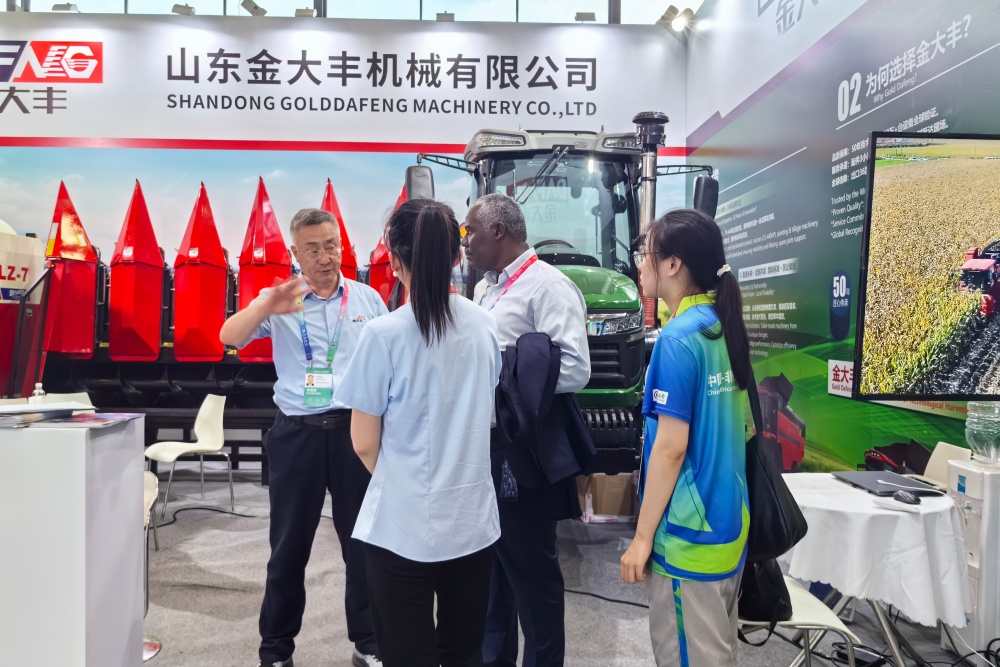
Shandong Golddafeng Machinery Co., Ltd. was established in 1995. It is a professional manufacturer specializing in the development, production, sales, and service of rice combine harvesters, grain combine harvesters, corn combine harvesters, silage combine harvesters, peanut combine harvesters, tractors, rice transplanters, precision seeders, and rotary tillers.
The company is located in Jining City, Shandong Province, China. We are committed to strict quality control and attentive customer service, with experienced staff always ready to meet customer needs and ensure complete customer satisfaction.
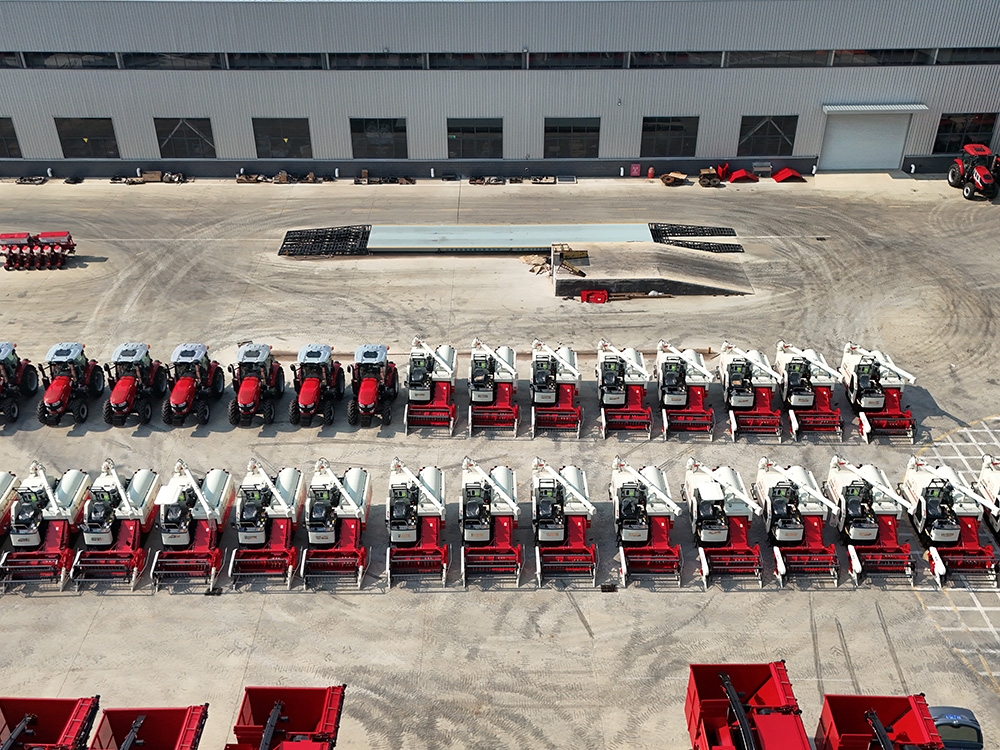
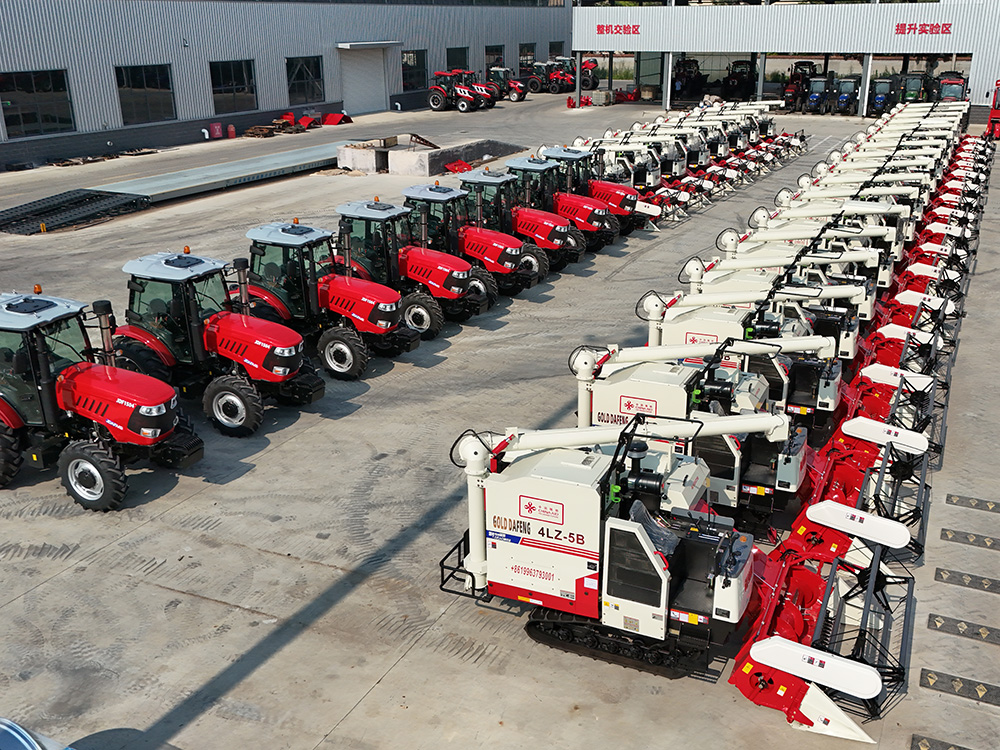
Our products are exported to over 40 countries worldwide, and we maintain long-term partnerships of over 12 years with partners in 16 countries — a testament to the trust our palay harvester solutions have earned globally.
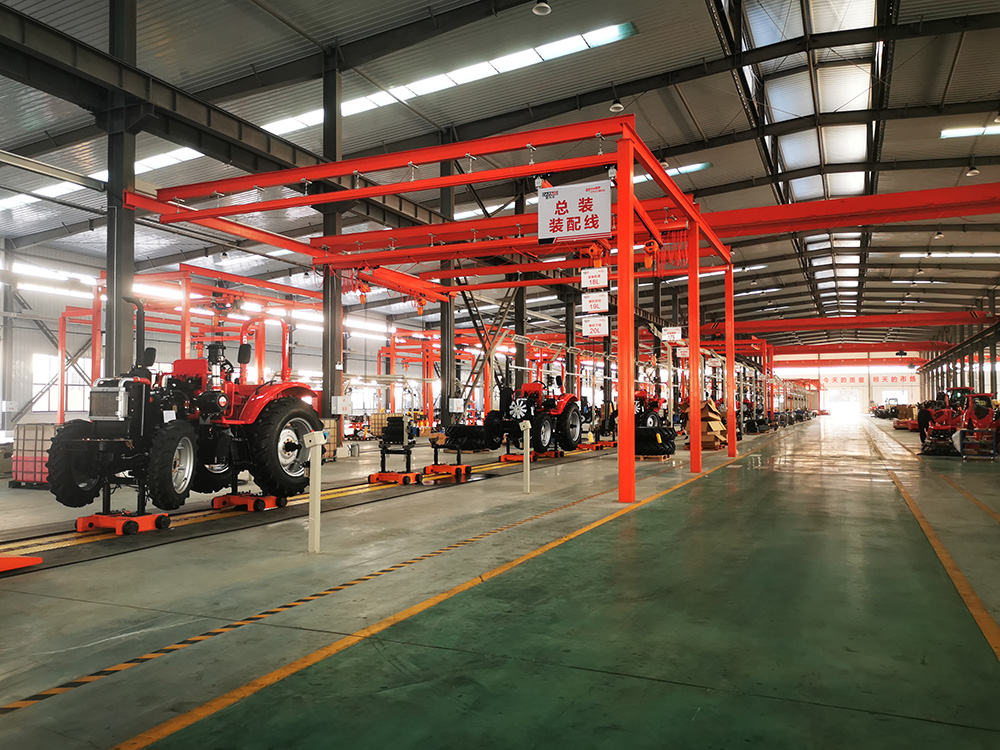
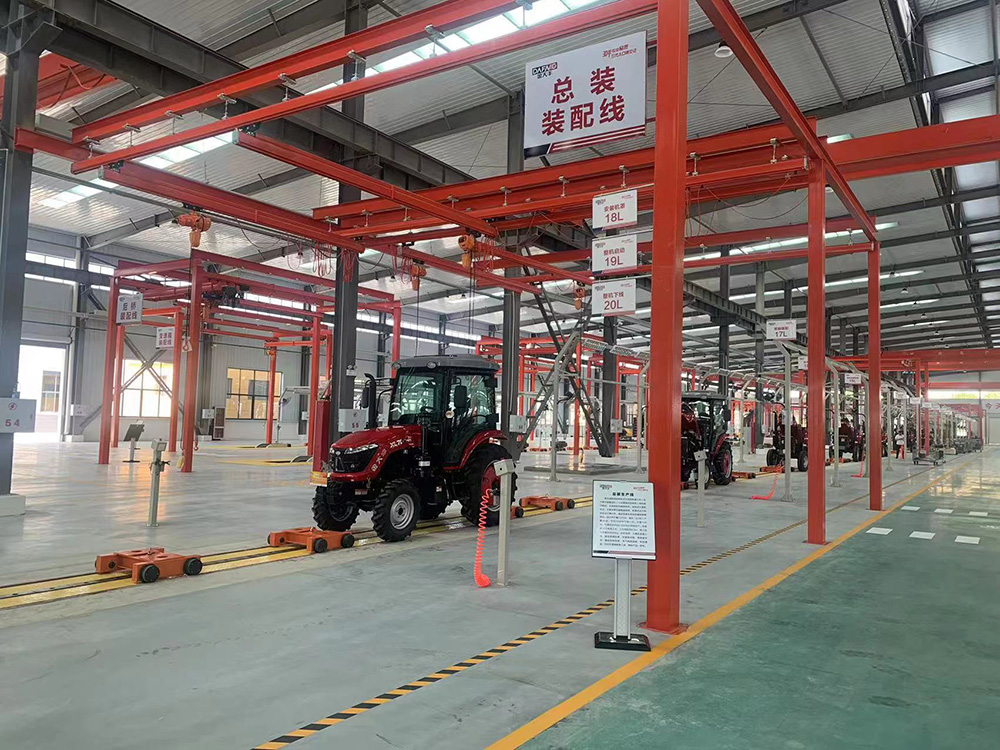
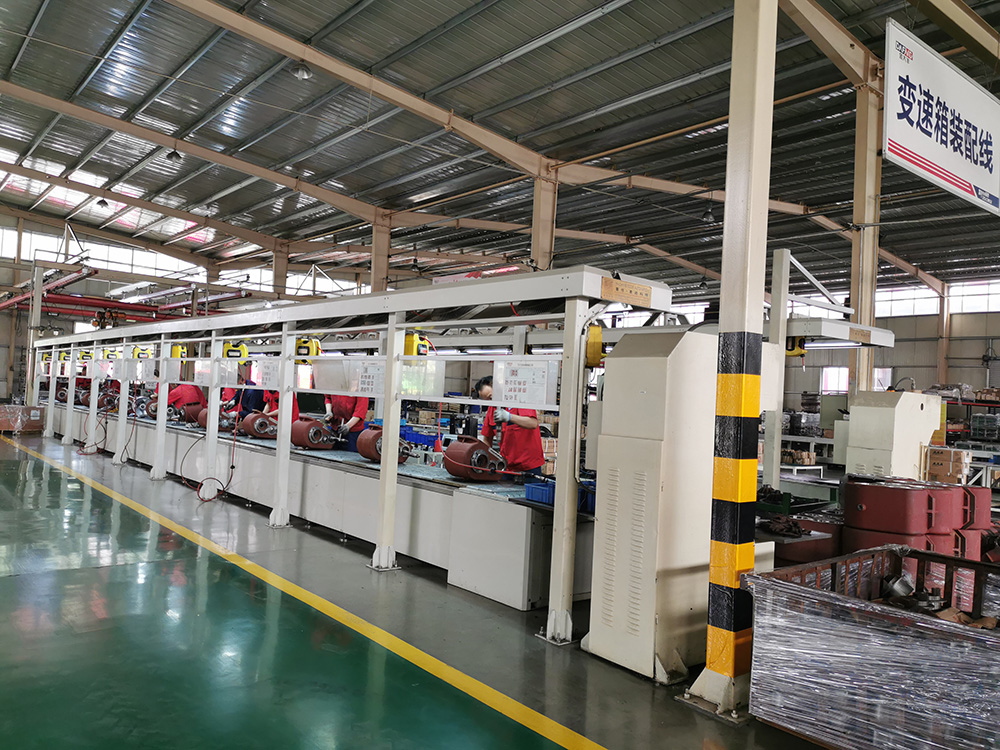
State-of-the-art production infrastructure ensures every palay harvester meets the highest standards of precision, durability, and performance.
Fully automated welding robots ensure consistent, high-strength joints on every harvester frame — critical for durability in demanding paddy field conditions.
Advanced CNC laser cutting machines and plasma CNC cutting machines deliver micron-level precision for all structural and mechanical components.
From 3D coordinate measuring instruments to ultrasonic flaw detectors and dynamic balance meters — every component is validated before assembly.
Flexible assembly lines and electrophoresis/baking equipment enable rapid model changeovers and custom OEM/ODM production runs at scale.
In-house materials testing laboratory validates steel grades, coatings, and component metallurgy to ensure long service life in corrosive field environments.
We welcome OEM and ODM orders — whether selecting from our catalog or developing custom agricultural machinery solutions tailored to your market.
The next generation of palay harvesters will be smarter, greener, and more connected than ever before.
Fully autonomous palay harvesters guided by RTK-GPS and LiDAR sensors are entering commercial trials, promising 24/7 operation without operator fatigue and optimal field coverage patterns.
Deep learning vision systems mounted on harvester headers detect lodged crop, estimate density variations, and adjust cutting parameters in real time to minimize grain loss below 1%.
Battery-electric and hydrogen fuel cell drivetrains are being developed for palay harvesters, targeting zero-emission operation and significantly lower energy costs per hectare harvested.
Cloud-based fleet management platforms aggregate real-time data from multiple harvesters, enabling farm managers to optimize deployment, predict maintenance needs, and benchmark seasonal yield performance.
Integrated straw chopping and mulching systems transform rice straw from a waste product into a soil amendment — reducing burning, improving carbon sequestration, and enhancing next-season yields.
Universal harvester platforms with swappable headers and threshing modules allow a single machine to harvest palay, wheat, corn, and legumes — maximizing asset utilization across the full crop calendar.
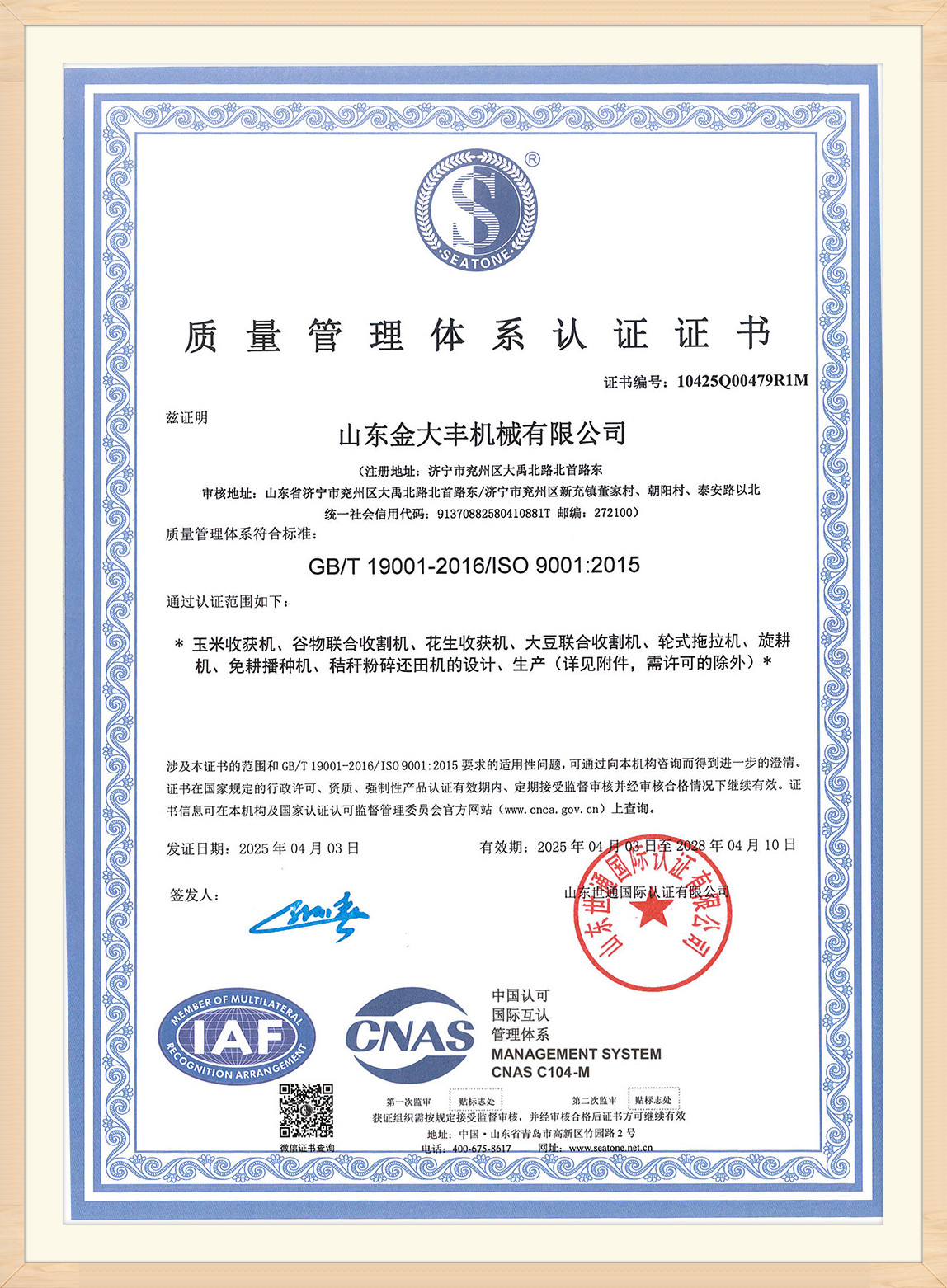
We have obtained ISO 9001 quality certification and our products are sold to various provinces in China and exported to regions such as Russia, Southeast Asia, South Asia, Central America, Africa, South America, the Middle East, and Eastern Europe.
We also welcome OEM and ODM orders, whether it's selecting current products from our catalog or customizing various agricultural machinery products for you — Gold Dafeng can meet the needs of customers at every scale.
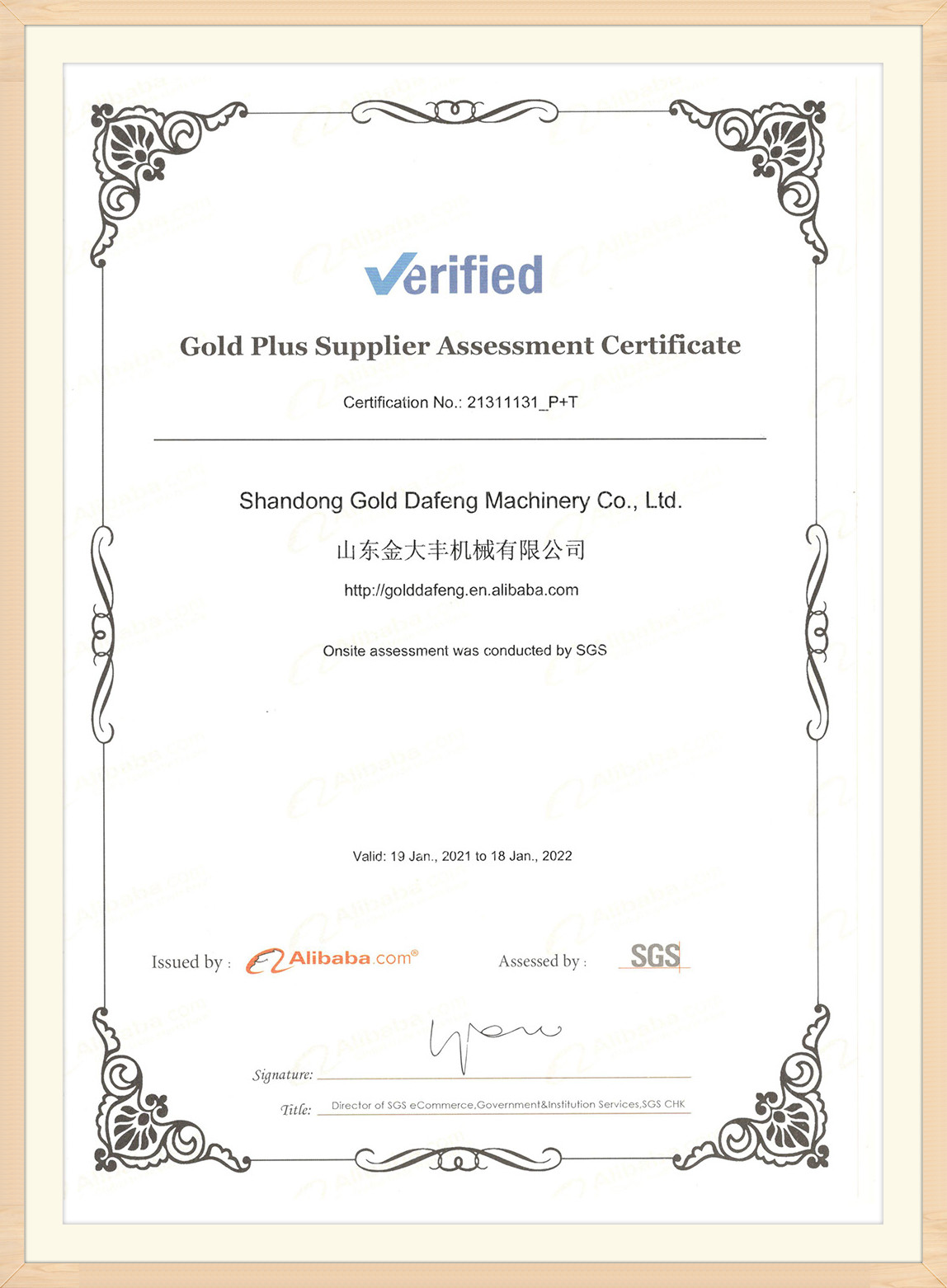
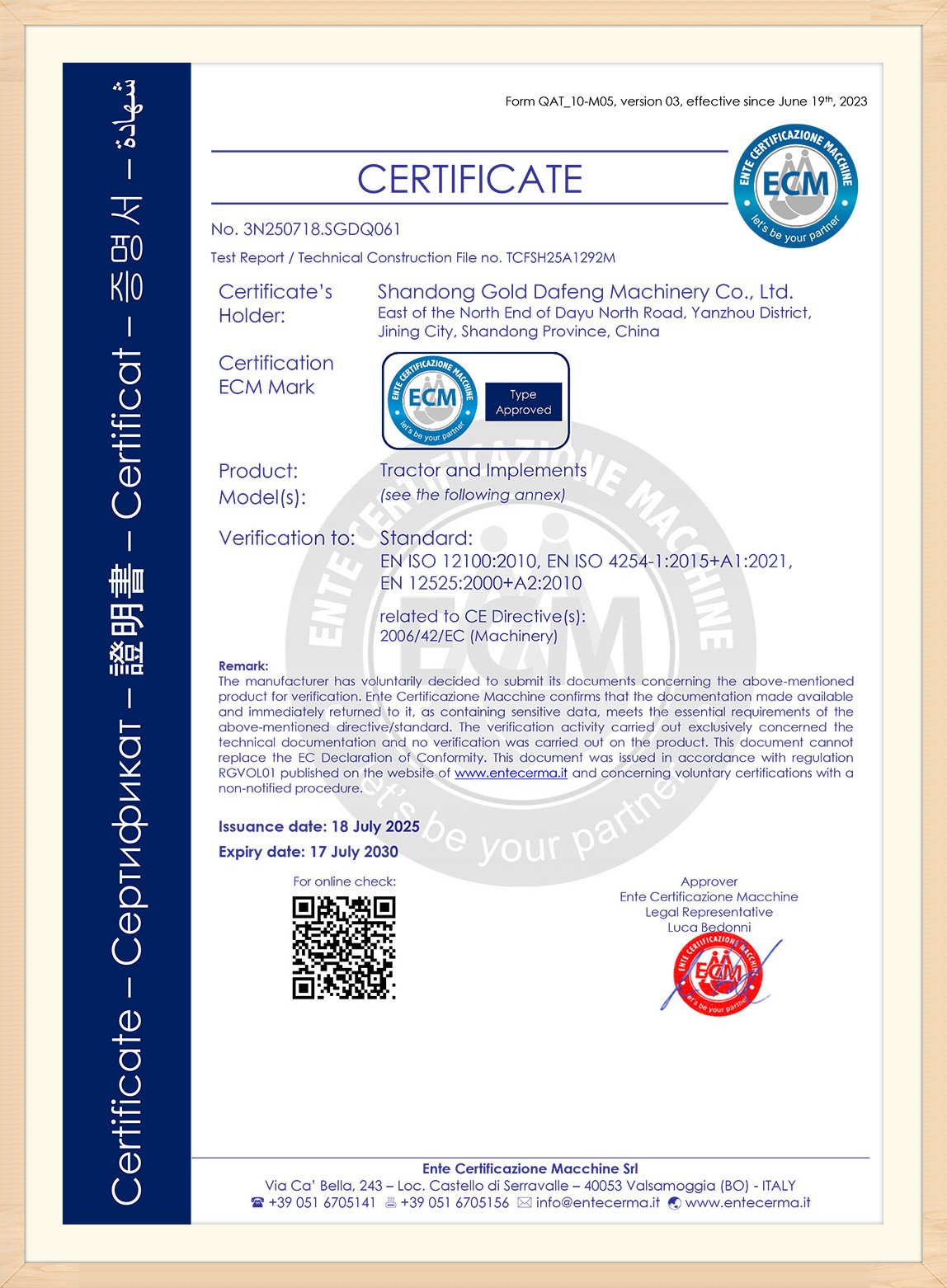
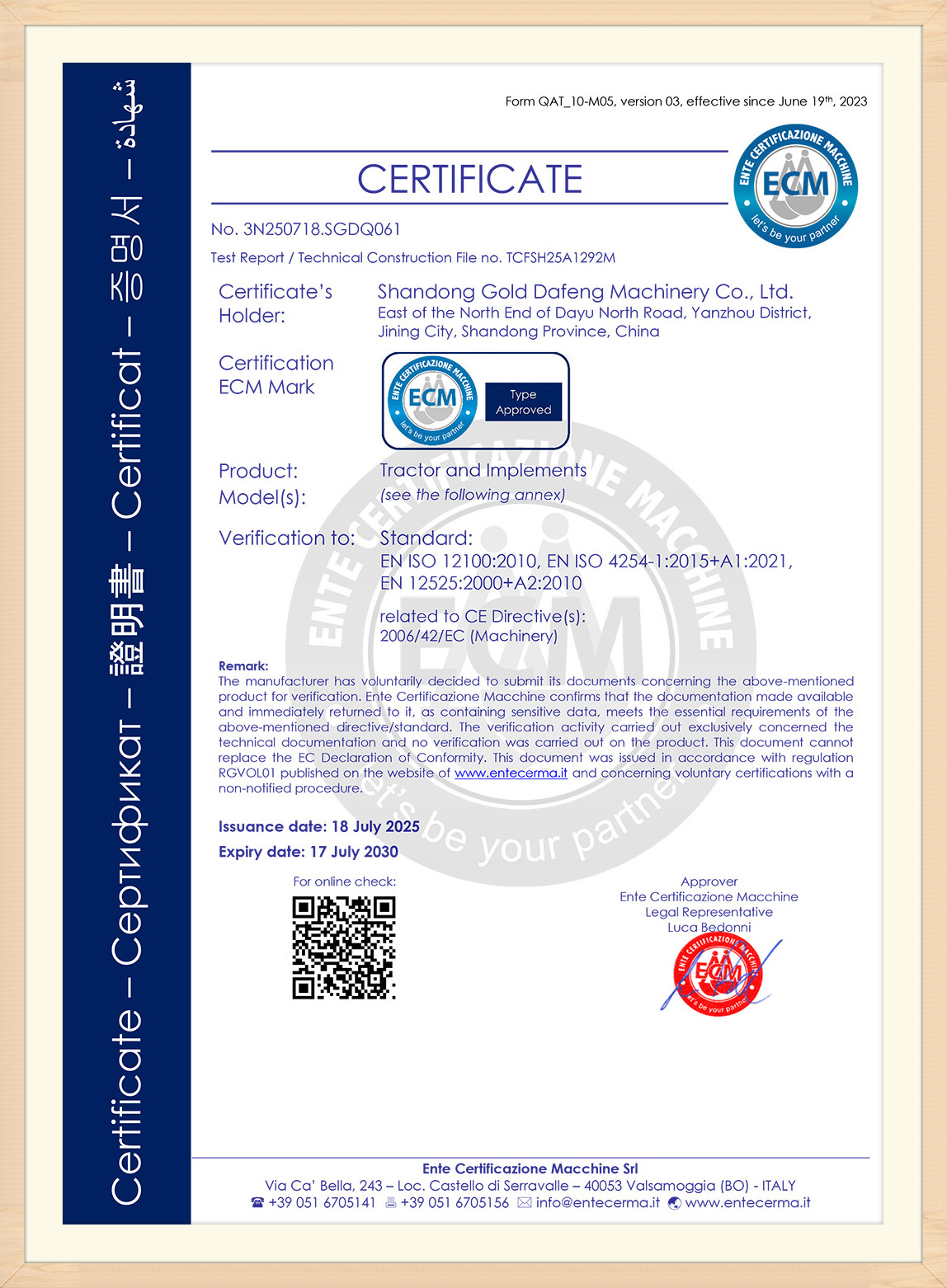
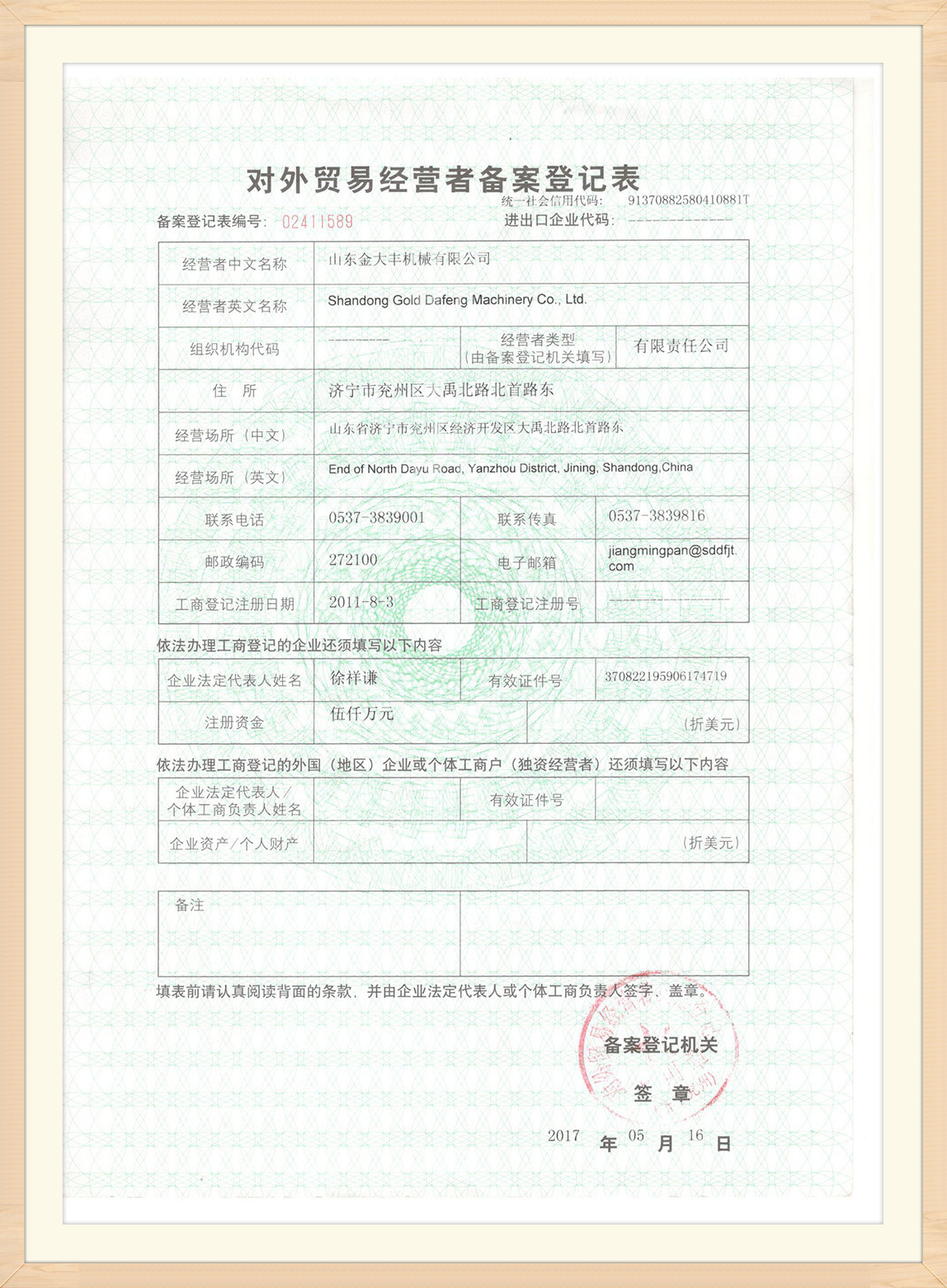
For the past thirty years, Golddafeng has consistently placed after-sales service on equal footing with product sales — building a globally trusted palay harvester brand.
Our products are exported to over 40 countries, including Russia, Kazakhstan, Mongolia, Argentina, Brazil, Romania, Ukraine, as well as countries in Africa and Southeast Asia. We maintain long-term partnerships of over 12 years with partners in 16 countries. Our commitment to service and quality has made us a globally renowned and trusted brand.
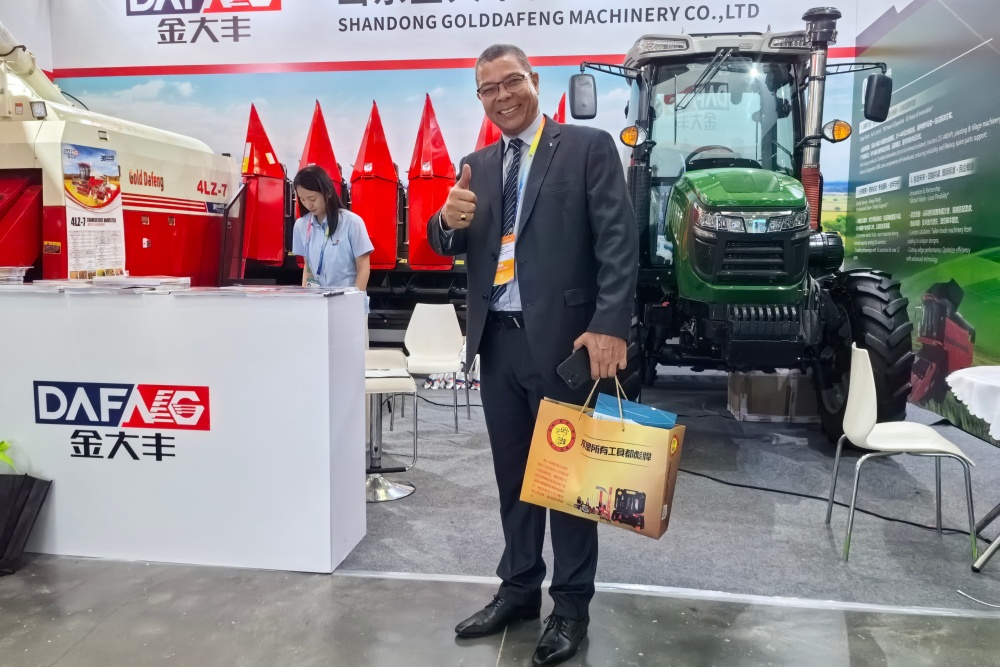
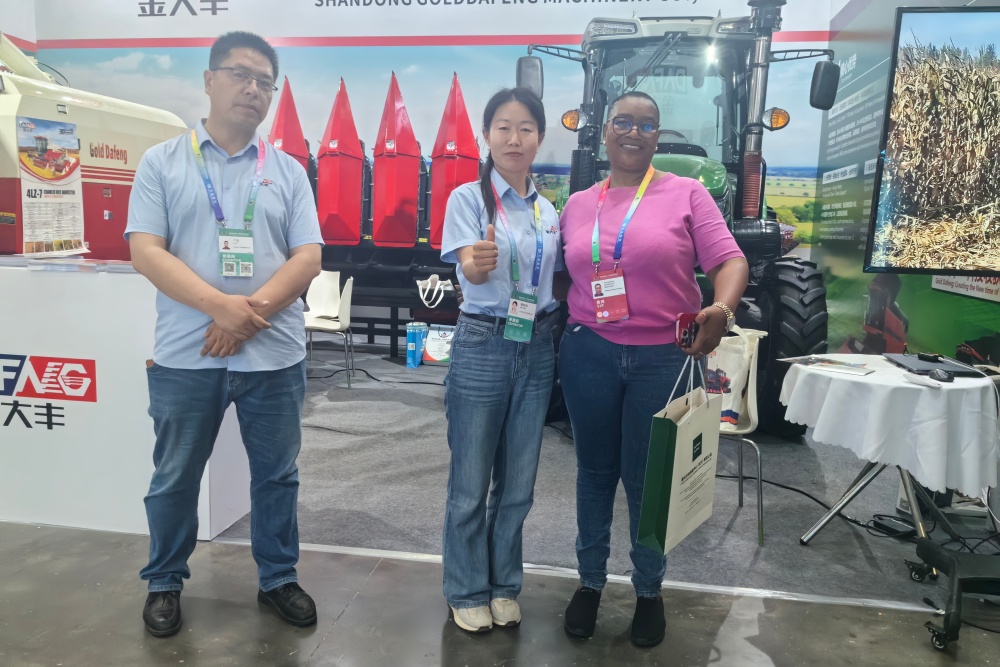

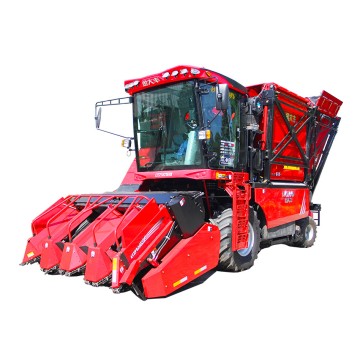
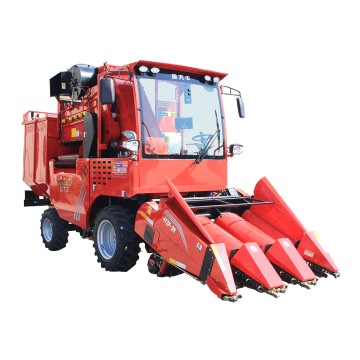
From rice and wheat to corn and beyond — our full lineup of combine harvesters is engineered to maximize yields across every crop and every season.