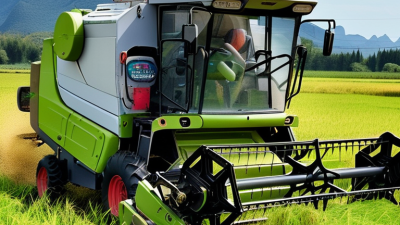
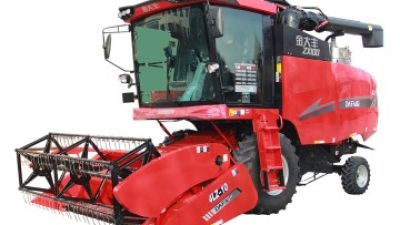
Picking the right Corn Cob Harvester is super important if you want to get the most out of your farming. A good harvester can really make a difference when it comes to your yields and how smoothly things run overall. But honestly, with so many options out there, it can feel kind of overwhelming to choose the best one. The key is to first figure out exactly what your farm needs. Not every harvester is created equal—what works perfectly on one farm might not cut it on another.
There are quite a few things to think about when making your choice. How big your farm is, the type of corn you're growing, and your budget all matter a lot. Also, you should consider how easy it is to use, how much maintenance it needs, and how durable it is. Investing in a reliable Corn Cob Harvester isn’t just about better harvests—it's also about making your day-to-day work way more efficient.
Before you buy anything, do some homework. Top brands like John Deere and Case IH are known for their quality and dependability, but even those big names might not have exactly what you’re looking for. It’s a good idea to check out reviews from other farmers and get some expert opinions. Thinking about what’s most important to you will help point you in the right direction. Choosing the right Corn Cob Harvester can totally change how you farm—so it’s worth taking your time and making a smart call.
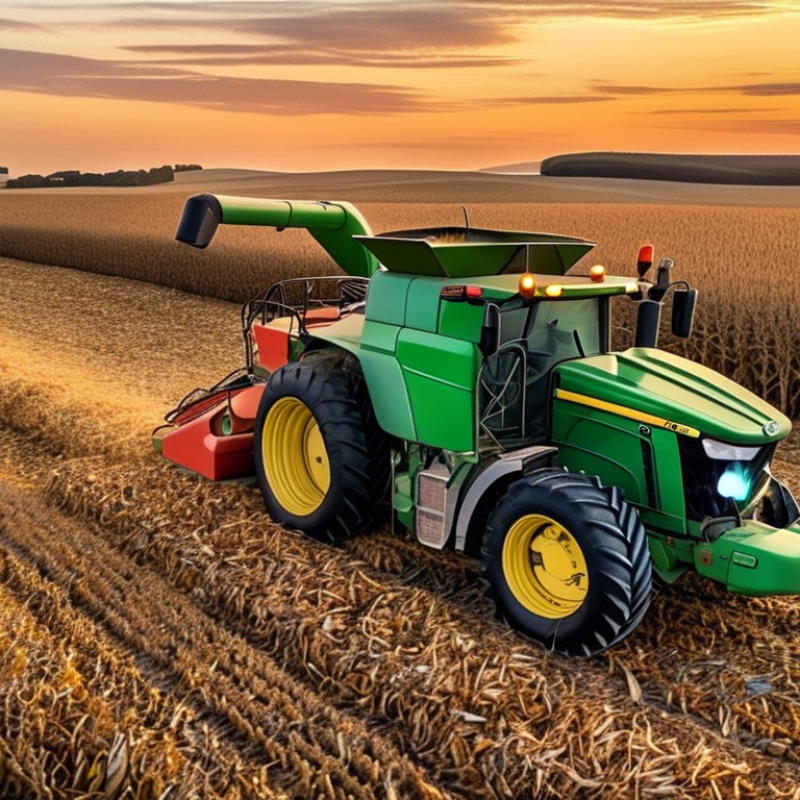
Factors to Consider When Choosing a Corn Cob Harvester
When choosing a corn cob harvester, consider the size of your operation. Smaller farms may benefit from compact models. These are easier to maneuver in tight spaces. Larger fields often require more robust machinery with greater capacity. Think about the terrain of your land too. Hilly or uneven terrain can complicate the harvesting process. You might need specialized features for better stability and performance.
Another important factor is the harvester's technology. Modern Corn Harvesters come with advanced features. Some use GPS tracking to optimize the harvesting paths. This can improve efficiency and reduce crop loss. It's worth considering your comfort with new technology. Some users may find high-tech models challenging.
Maintenance requirements also deserve attention. Some corn harvesters require regular upkeep to function well. Others may be designed for lower maintenance, which can save time. Reflect on your resource availability for repairs and maintenance. This can drastically impact your productivity. Taking these aspects into account will help you make a thoughtful decision.
Types of Corn Cob Harvesters: A Comprehensive Overview
When selecting a corn cob harvester, understanding the various types available is essential. Harvester models vary in design, functionality, and ease of use. Some may be ideal for large fields, while others suit smaller plots. Walking through options helps you grasp what fits your needs. Consider features such as size, power source, and harvesting efficiency. Not all models excel in every aspect.
Two main types to explore are manual and power-driven corn cob harvesters. Manual harvesters require physical effort and may suit smaller farms or budget-conscious users. They are portable and simple, making them accessible for various farming backgrounds. On the other hand, power-driven harvesters offer faster and more efficient operations. They can tackle larger areas but could present a steep learning curve for some users.
Assess your specific corn cultivation methods. The landscape and volume of corn also impact your choice. Some machines may struggle with uneven terrain. Reflect on your experience and willingness to adapt. Evaluate user reviews and gather insights from farmers who have walked this path. Such firsthand accounts can guide you toward a reliable choice in your Rice Corn Harvester journey.
Key Features of Efficient Corn Cob Harvesting Equipment
When selecting a corn cob harvester, understanding the key features plays a crucial role. Efficient harvesting equipment significantly impacts overall yield and cost-effectiveness. According to the USDA, the right harvester can improve your productivity by 20%. Key features to look for include cutting efficiency, ease of maintenance, and adaptability to various terrains.
Cutting efficiency ensures that the harvester effectively collects and processes the cobs. A machine that can handle high-speed operations saves time. Moreover, maintenance is vital. Regular upkeep reduces downtime. Studies show that well-maintained equipment lasts 30% longer. Consider models that allow for quick repairs and accessible parts.
Adaptability is another critical feature. Different fields present unique challenges. A versatile harvester can adjust to uneven surfaces or varying growth patterns. This flexibility could save costs in the long run.
When choosing, reflect on your specific needs. What is your harvest size? How rough are your fields? These considerations lead to more informed choices. A well-matched harvester significantly enhances efficiency. Always research and evaluate multiple equipment types before making a decision.
Evaluating Performance Metrics: Capacity, Speed, and Efficiency
When selecting a corn cob harvester, evaluating performance metrics such as capacity, speed, and efficiency is crucial. Capacity refers to the amount of corn cobs the harvester can process per hour. Recent industry reports indicate that high-capacity machines can handle up to 10 tons of cobs per hour. This is vital for large-scale operations where time is of the essence.
Speed is another important factor. A fast harvester can significantly reduce operational time. Many models achieve speeds of 4 to 6 miles per hour during harvesting. However, faster machines may sacrifice some efficiency in cob collection and processing. It's essential to balance speed with the quality of the harvest.
Efficiency measures how well the harvester converts input into usable output. According to agricultural studies, the best models on the market have an efficiency rate of up to 85%. This means less waste and better profitability for farmers. However, achieving this efficiency can be challenging. Factors like crop condition and soil type significantly impact performance. Collecting accurate data for your specific field conditions will help in making an informed choice.
Understanding Maintenance and Durability in Harvesters
When selecting a corn cob harvester, understanding maintenance and durability is crucial. Regular upkeep directly impacts performance. A well-maintained Sweet Corn Harvester can run efficiently for years. Check the machinery for wear and tear routinely. Simple inspections can catch potential issues early. Be aware that neglect might lead to costly repairs later.
Durability is often defined by the materials used in the harvester's construction. High-quality steel or durable composites can enhance lifespan. However, not all models are created equal. Some may seem sturdy but have hidden weaknesses. It’s essential to read reviews and seek expert opinions. Experienced farmers often share valuable insights about their long-term experiences with various models.
User feedback can reveal long-term reliability. While a machine may perform well initially, ongoing maintenance is key. Harvester performance often fluctuates based on the operator's care. Remember, a corn harvester’s efficiency declines without proper maintenance. So, invest time in understanding the upkeep requirements for a Sweet Corn Harvester before making your choice.
Comparison of Corn Cob Harvester Features
Analyzing Cost-Effectiveness and Return on Investment
When selecting a corn cob harvester, analyzing cost-effectiveness is crucial. A recent agricultural report indicated that investing in a high-quality model can lower labor costs by up to 30%. However, the initial purchase price can deter farmers. It's essential to weigh this upfront cost against potential savings. An efficient harvester can increase productivity significantly. Some studies show that harvesters capable of processing 10 acres per hour can lead to higher yields.
Return on investment (ROI) plays a pivotal role in decision-making. According to industry experts, operators can expect an ROI of around 150% when investing in the right equipment. However, this varies based on usage and maintenance. Proper care can extend the lifespan of a harvester, making it a more economical choice in the long run. Farmers should consider features that enhance usability and durability.
Despite the clear benefits, not all harvesters meet every farmer's needs. Factors such as terrain and crop conditions can impact performance. Some users report productivity drops in challenging conditions. It’s crucial to gather insights from fellow farmers. They can share firsthand experiences and help avoid costly errors. Engaging in conversations allows for better-informed choices.
User Reviews and Industry Recommendations for Top Models
When selecting the best corn cob harvester, user reviews and industry recommendations can be invaluable. Many farmers emphasize the importance of reliability and efficiency. According to a recent industry report, models with an automatic shut-off feature during downtime can enhance productivity by 15%. This is crucial when considering long days in the field. Reviewers often highlight ease of maintenance as a top priority, noting that the simpler the design, the less down time.
Another essential factor is adaptability. Different terrains and crop types can affect harvester performance. A survey revealed that 67% of operators prefer machines that can handle various conditions without constant recalibration. The feedback from users often suggests specific features to look for, such as adjustable speed controls and robust build quality.
For those venturing into Corn Maize Harvester selection, consider these practices. Look for machines equipped with multiple attachment options. This flexibility allows for better use across different types of crops. Additionally, investing in harvesters with improved fuel efficiency can lead to long-term savings. Be prepared for the possibility of needing repairs; even the best models can have hiccups in harsh conditions. A knowledgeable dealer can be a great asset in navigating these choices.
Innovative Solutions for Efficient Wheat Harvesting: Exploring Advanced Wheat Combine Harvesters and Machines
Innovative technology plays a crucial role in enhancing efficiency in wheat harvesting, and the latest advancements in combine harvesters exemplify this progress. One such innovation is the use of longitudinal axis flow roller separation technology, which has revolutionized how grains are processed during harvest. This enables the machine to effectively separate wheat and soybeans with remarkable precision and speed, significantly improving overall productivity on the field.
Furthermore, the versatility of modern harvesting machines allows them to adapt to different crops by simply replacing specific parts. This adaptability makes them ideal for farmers who cultivate various crops, such as rice, rapeseed, and corn. The multi-functional capabilities of these advanced harvesters not only maximize efficiency but also reduce operational costs, providing a comprehensive solution to meet the diverse needs of farmers in various agricultural settings. The integration of such technologies is paving the way for a new era in efficient and effective wheat harvesting.
FAQS
: Consider the size of your operation and the terrain of your land. Smaller farms may need compact models.
Yes, there are manual and power-driven types. Manual harvesters are simpler, while power-driven ones are more efficient.
Modern harvesters use technology like GPS for efficiency. However, some users may find advanced features challenging to operate.
Some harvesters need regular upkeep, while others are designed for lower maintenance. Reflect on your available resources for repairs.
Durability depends on the materials used, such as high-quality steel. Not all models are equally strong; read reviews for insights.
Ongoing maintenance and operator care significantly impact efficiency. Neglecting upkeep leads to reduced performance and costly repairs.
Conclusion
Choosing the best corn cob harvester requires careful consideration of several factors. Start by evaluating the different types of corn cob harvesters available, understanding their unique features and functionalities. Key performance metrics such as capacity, speed, and efficiency are crucial for ensuring optimal harvesting operations. Additionally, it's important to consider maintenance requirements and the durability of the equipment, as these will impact long-term usability.
Cost-effectiveness and return on investment are also vital when selecting a corn cob harvester. Analyzing user reviews and industry recommendations can provide valuable insights into the top models on the market. Ultimately, making an informed decision will enhance your overall harvesting experience and productivity, ensuring the best fit for your specific needs.