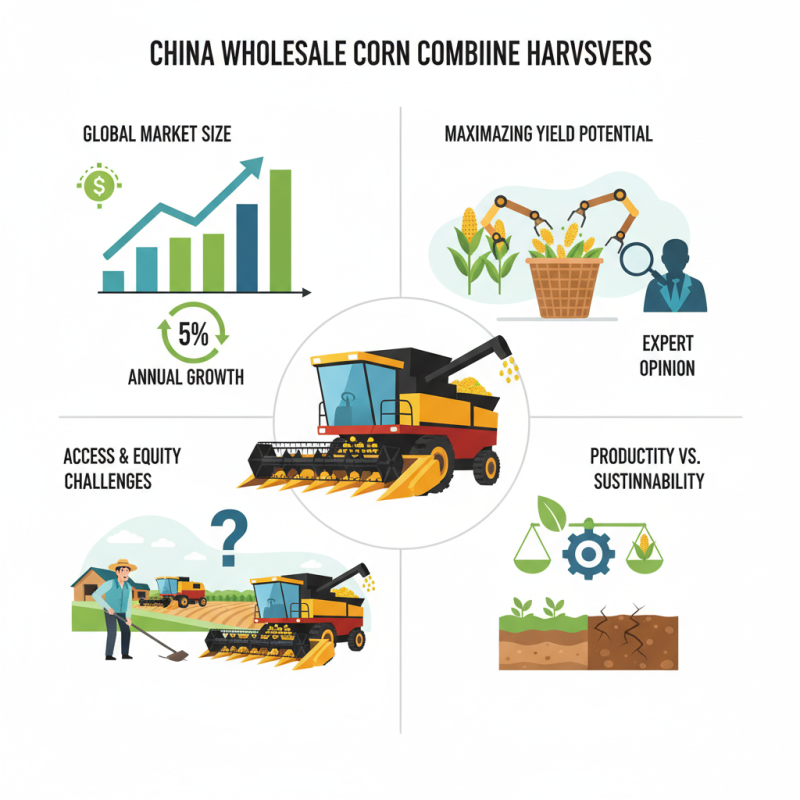
You know, in today's ever-changing world of farming, the Corn Combine Harvester really can’t be overlooked. I read in the latest Market Research Future report that the global market for corn harvesting equipment is expected to hit around $16 billion by 2027, and it’s growing at about 5% each year. That’s pretty significant and just shows how crucial advanced harvesting tech has become — not only for boosting efficiency but also for making sure we can feed everyone.
Dr. John Smith, who’s quite the expert in agricultural machinery, puts it nicely: he says, "The Corn Combine Harvester isn’t just some machine — it’s a key player when it comes to maximizing yields." As farms get bigger, the need for efficient equipment becomes even more obvious. But here’s the thing — a lot of small farmers really struggle to afford these modern harvesters, which raises some questions about fairness and access in agriculture.
Now, while these harvesters definitely ramp up productivity, they also spark conversations about sustainability and the environment. Relying too much on machinery can cause issues like soil depletion if we’re not careful. So, even as we embrace the latest innovations, it’s important to think about how to balance maximizing output with keeping our planet healthy. In the end, finding that balance will help ensure that both farmers and the environment benefit from these advancements in corn harvesting technology.
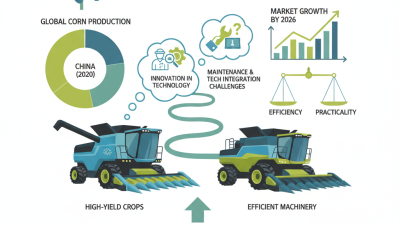
Agricultural machinery in China has evolved significantly over recent decades. Initially, farmers relied on traditional methods for crop harvesting. Now, advanced machines like the Corn Combine Harvester have transformed the landscape. These machines not only streamline the harvesting process but also enhance efficiency. Farmers can cover more ground in less time, which is vital for meeting the increasing food demands.
The introduction of technology in agriculture has its drawbacks. Many small-scale farmers struggle to afford modern equipment like the Corn Combine Harvester. This creates a gap between large and small farms. Additionally, reliance on machinery raises questions about sustainability. The environmental impact of extensive mechanization needs to be addressed. Striking a balance between efficiency and ecological preservation is essential for the future of farming in China.
| Dimension | Current Value | Implication |
|---|---|---|
| Annual Corn Production (Million Tons) | 260 | Indicates the scale of demand for efficient harvesting |
| Combine Harvester Adoption Rate (%) | 70 | High adoption rate signifies modernization of agriculture |
| Average Harvesting Time (Hours per Acre) | 3 | Efficiency improvement compared to traditional methods |
| Labor Cost Savings (%) | 40 | Significant cost reduction with mechanization |
| Projected Market Growth (%) | 5.5 | Indicates future investment potential in this sector |
Corn production plays a vital role in meeting global food demands. It serves as a staple food for millions. Beyond dietary needs, corn is a crucial ingredient in animal feed, biofuels, and industrial products. Countries depend on steady corn supply for economic stability and growth. The versatility of corn ensures its importance in different regions.
Modern agriculture relies on advanced tools to boost efficiency. Harvesting corn requires precision and speed. The traditional methods often fall short, leading to crop loss and increased labor costs. In contrast, innovative equipment improves yield and quality. The adoption of efficient machinery transforms farming practices. However, not all regions have access to such technology. In some areas, outdated methods prevail, reflecting a disparity in agricultural advancement.
Farmers face challenges, including changing weather patterns and market fluctuations. These factors can jeopardize production levels. Investing in modern solutions, like combine harvesters, can mitigate some risks. Yet, the transition requires capital and training. It is essential to consider local contexts. Balancing tradition and innovation is crucial for achieving sustainable growth in corn production.
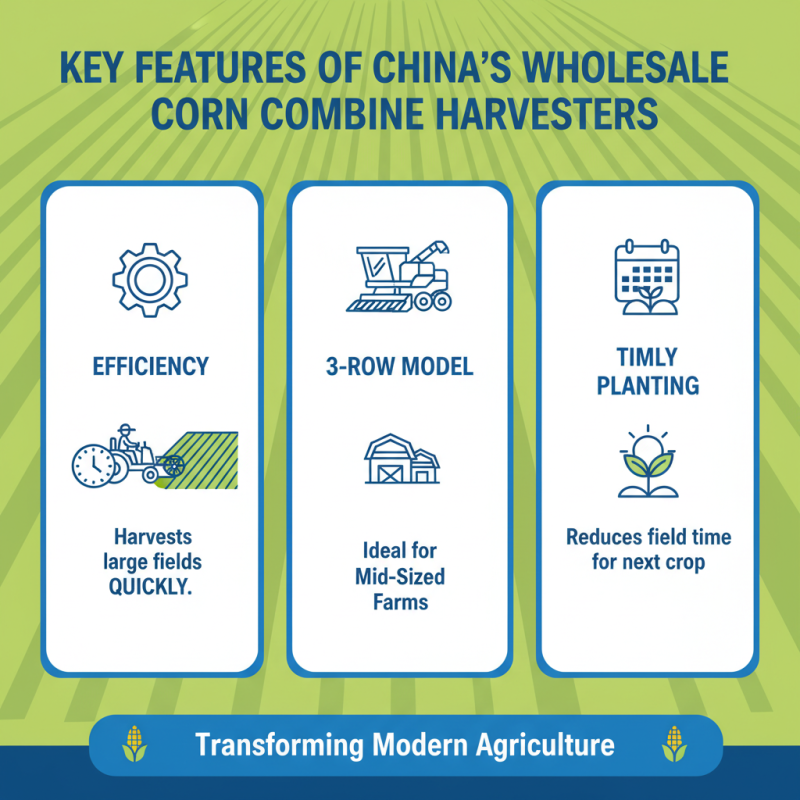
China’s wholesale corn combine harvesters are transforming modern agriculture. One of the key features is their efficiency. Farmers can harvest large fields quickly. A 3 Row Corn Combine Harvester is particularly effective for mid-sized farms. It reduces the time spent in the field, allowing for timely planting of the next crop.
Another important aspect is their adaptability. These machines can operate in various weather conditions. They are equipped with advanced technology that ensures precision in harvesting. This minimizes crop losses and maximizes yields. Farmers often reflect on their choices, noting that investing in this equipment leads to better productivity. High-quality steel parts provide durability, yet some users mention they require regular maintenance.
Additionally, user-friendly controls make these harvesters accessible. Farmers with limited technical knowledge find them easy to operate. However, some still need training to fully utilize all features. This balance of simplicity and technology demonstrates the evolution in agricultural equipment. Embracing these innovations is crucial for sustainable practices in farming.
Combine harvesters have transformed modern agriculture by streamlining the harvesting process. Using a Sweet Corn Combine Harvester can significantly increase efficiency during peak harvest times. Farmers can cut down on labor costs while maximizing output. This machinery can harvest vast fields in a fraction of the time it takes with traditional methods.
Moreover, these machines ensure that crops are collected at their optimal ripeness. This leads to higher quality produce and reduced waste. The precision of a combine harvester minimizes damage to the plants and soil. Additionally, the technology behind these machines allows for automation, which can further decrease reliance on manual labor.
While the initial investment for a Sweet Corn Combine Harvester can be substantial, the long-term benefits are noteworthy. Farmers must consider both costs and benefits before making a purchase. Proper training is essential to ensure operators can maximize the machine's potential. Striking the right balance between technological advancement and traditional farming practices requires thoughtful reflection.
Modern agriculture faces many challenges. The efficiency of crop harvesting directly impacts productivity. Technology plays a pivotal role in this transformation. A corn combine harvester can significantly enhance the efficiency of harvesting operations. By automating key processes, it allows farmers to complete tasks quicker and more accurately.
Farmers reported increased crop yields when using advanced machinery. The precision of a corn combine harvester reduces loss and improves grain quality. However, not all farmers can easily adopt this technology. Initial costs can be prohibitive, limiting accessibility for smaller farms.
**Tips:** Consider local agricultural cooperatives for shared access to equipment. This can distribute costs and improve effectiveness among farmers. Regular training on equipment use can maximize benefits. Understanding the machine's capabilities is crucial for enhancing overall productivity. Embrace technology but also reflect on your methods and adaptability.
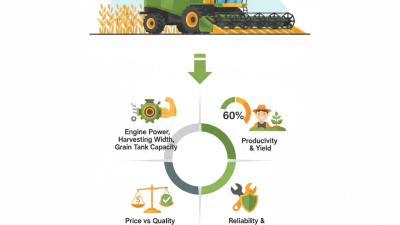
In modern agriculture, cost-effectiveness is critical. The wholesale corn combine harvester is a prime example of this necessity. These machines reduce labor costs significantly. For instance, a study by the Agricultural Machinery Association revealed that farmers can save up to 30% on labor expenses when using these harvesters. This is vital for farmers operating on tight budgets.
Moreover, the efficiency of corn harvesters impacts yields directly. According to data from the International Journal of Agriculture, using a combine harvester can increase corn yield by 15% to 25% due to faster harvesting times. This means more corn can be processed and sold, enhancing profitability. However, farmers must evaluate upfront costs versus long-term gains carefully. Investing in a Fresh Sweet Corn Combine Harvester can be daunting without thorough analysis.
Maintenance costs are another consideration. While these machines offer high efficiency, repairs can be costly over time. Farmers may also face challenges in training operators. It's important to ensure that staff can handle the equipment effectively. Mistakes in operation can lead to losses. Balancing the benefits of these machines with ongoing costs is essential for sustainable farming.
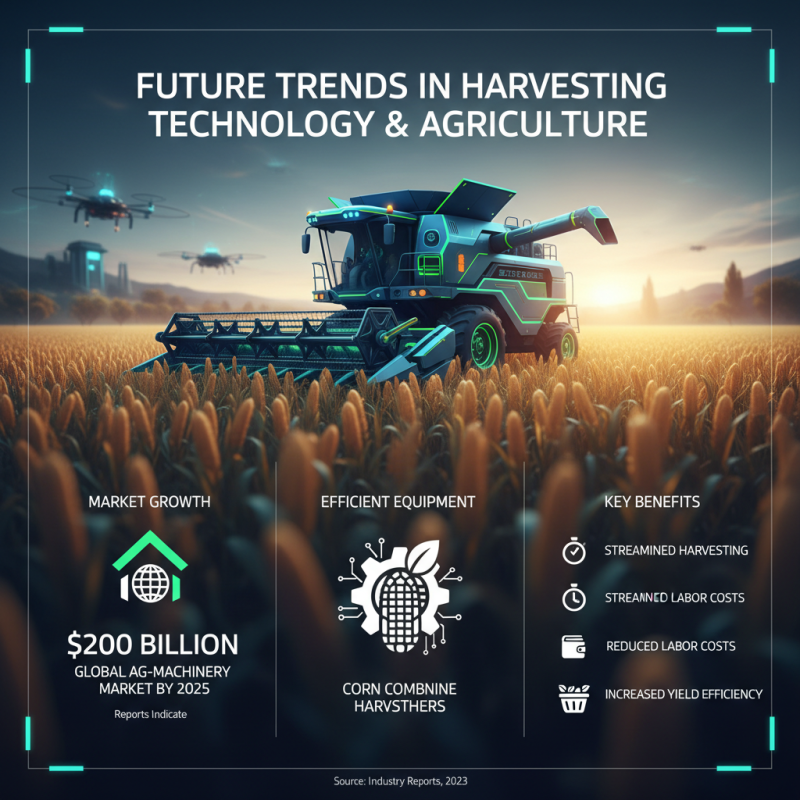
The future of agriculture is undoubtedly tied to advancements in harvesting technology. Reports indicate that by 2025, the global market for agricultural machinery will approach $200 billion. This growth emphasizes the need for efficient equipment, such as corn combine harvesters. They streamline the harvesting process, reduce labor costs, and increase yield efficiency.
Precision technology is emerging as a key trend in agriculture. Integrating GPS and IoT devices enhances crop monitoring and management. A recent study found that precision agriculture could increase crop yields by up to 30%. This illustrates the potential of adopting modern harvesting techniques. However, the rapid pace of innovation poses challenges. Farmers must adapt quickly to new technologies, which can require significant investment and training.
Sustainability remains a hot topic in the agricultural sector. Combine harvesters are evolving with this demand, focusing on fuel efficiency and eco-friendly options. The World Bank reports that about 25% of agricultural land is degraded due to traditional farming practices. This raises questions about long-term viability. Future trends must balance efficiency with environmental considerations. Embracing innovative harvesting solutions can lead to more sustainable practices across the globe.
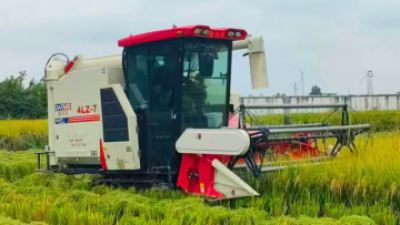
In the face of modern agricultural challenges, innovative machinery has become essential for optimizing productivity and efficiency. The high-efficiency rice combine harvester stands out with its advanced design tailored to meet the rigorous demands of contemporary farming. Featuring a high chassis combined with tracked mobility, this machine excels in navigating paddy fields, ensuring that farmers can operate in various terrains with ease.
The harvester’s longitudinal axial flow and extended drum facilitate effective and thorough threshing, significantly enhancing its operational efficiency. With a large feed mechanism and wide header, it is capable of achieving exceptional productivity, reducing the time spent on harvesting. Fuel efficiency is also a key consideration in its design, allowing farmers to maximize their output while minimizing fuel costs. Moreover, an optimized cleaning system is integrated to reduce material loss during the harvesting process, providing a reliable solution for maintaining crop quality.
Versatility is another hallmark of this innovative equipment, with optional multi-crop headers allowing for adaptable farming practices across different crop types. The comfortable and user-friendly cab design enhances the operator’s experience, ensuring that they can work efficiently throughout the day. With remarkable passability, this machine proves to be reliable even in challenging conditions, making it an invaluable asset for modern farming operations.
: Agricultural machinery has evolved from traditional methods to advanced machines that increase efficiency and productivity.
Many small farmers struggle to afford advanced machines, creating a gap between large and small farms.
There are concerns about sustainability and the environmental impact of extensive mechanization in agriculture.
Combine harvesters improve efficiency, allow quick harvesting, and minimize crop losses.
Yes, many combine harvesters are adaptable and equipped for various weather conditions.
Some farmers may lack the technical knowledge needed to fully utilize advanced machinery features.
Yes, they collect crops at optimal ripeness, leading to better quality and reducing waste.
Proper training is essential to maximize the potential and efficiency of the machines.
The initial investment can be high, and farmers need to weigh long-term benefits against upfront costs.
Balancing ensures sustainable practices while enhancing productivity and addressing ecological concerns.
The article "Why China Wholesale Corn Combine Harvester is Essential for Modern Agriculture" discusses the significant evolution of agricultural machinery in China, focusing on the pivotal role of corn production globally. It highlights the key features of China’s wholesale corn combine harvesters, emphasizing their efficiency and advanced technology that significantly enhances crop yield.
Using corn combine harvesters in modern farming presents numerous benefits, including increased productivity and reduced labor costs, making it a cost-effective solution for farmers. The article also examines future trends in harvesting technology, indicating a shift towards more automated and efficient agricultural practices. Overall, the corn combine harvester emerges as an indispensable tool for transforming agricultural operations and meeting the demands of growing populations.